
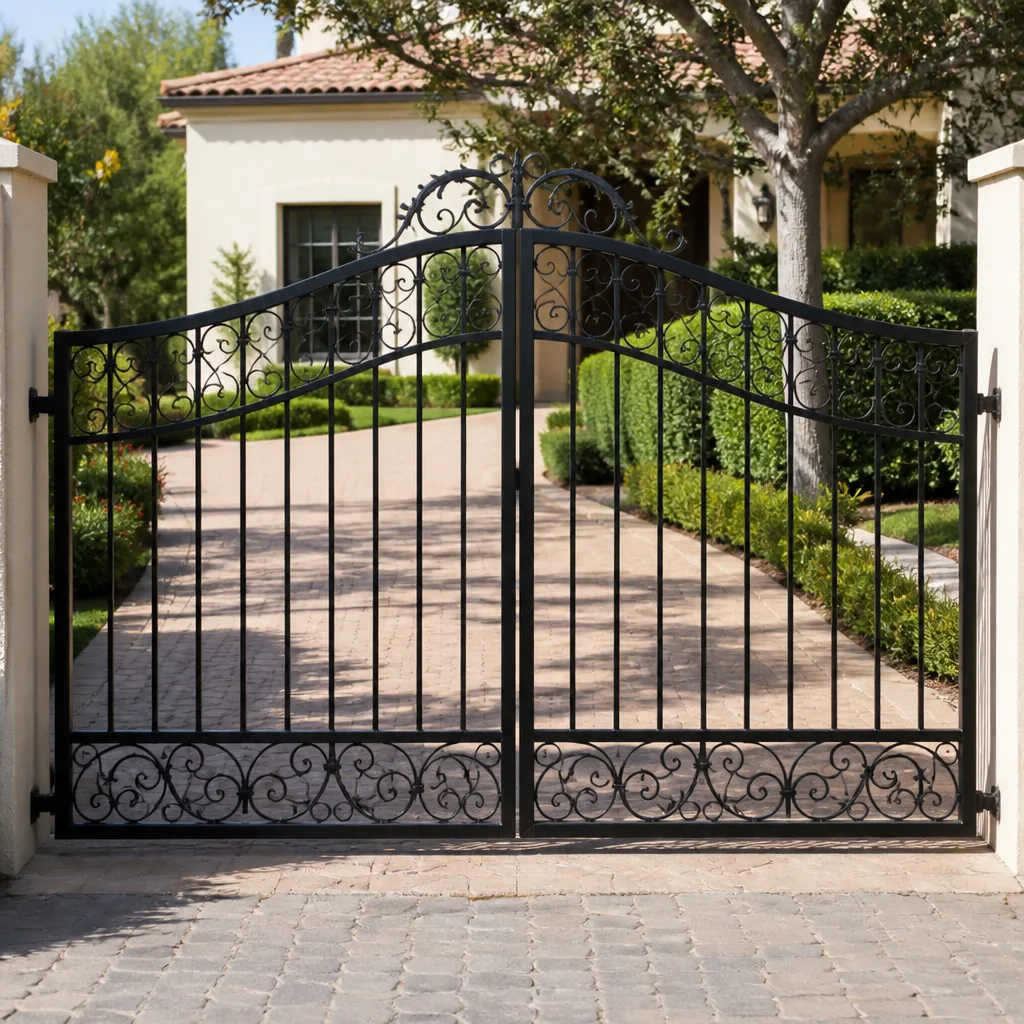
 Wrought iron
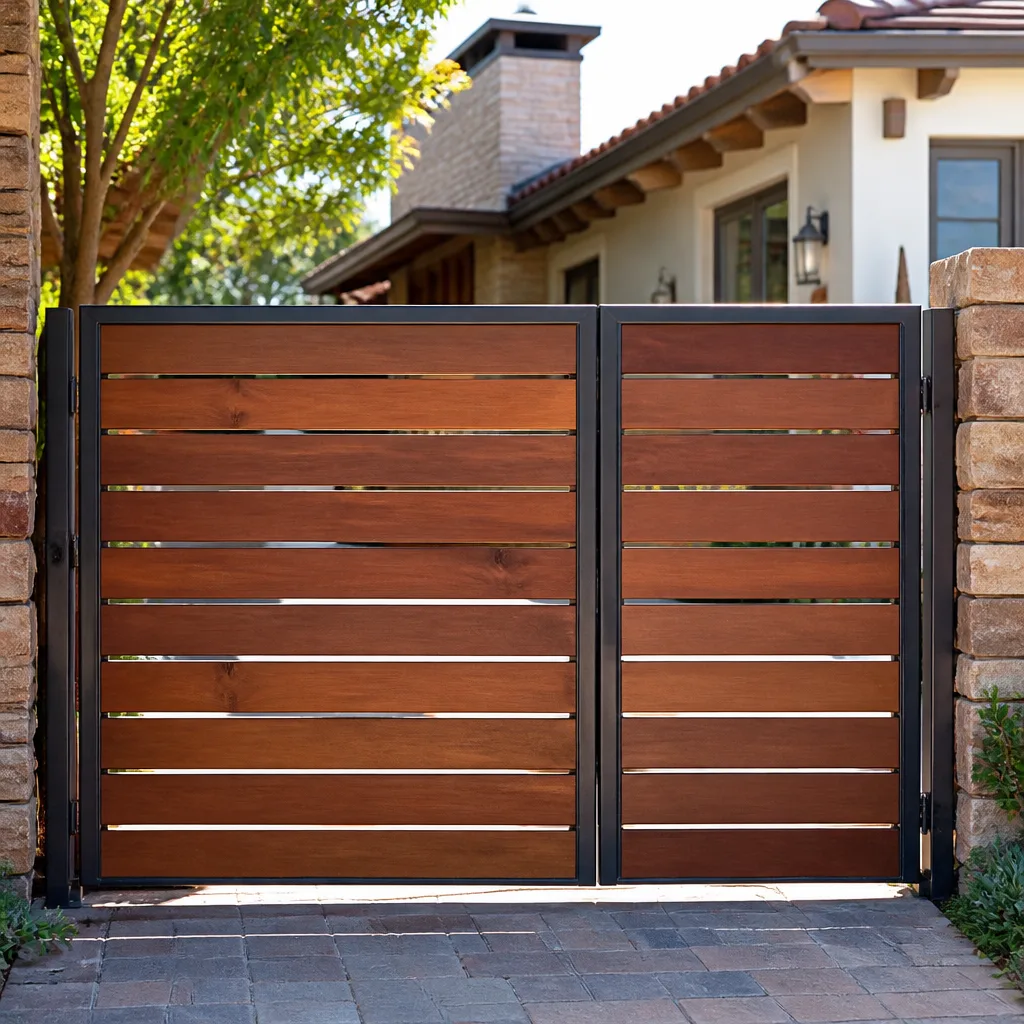 Wood & steel frame
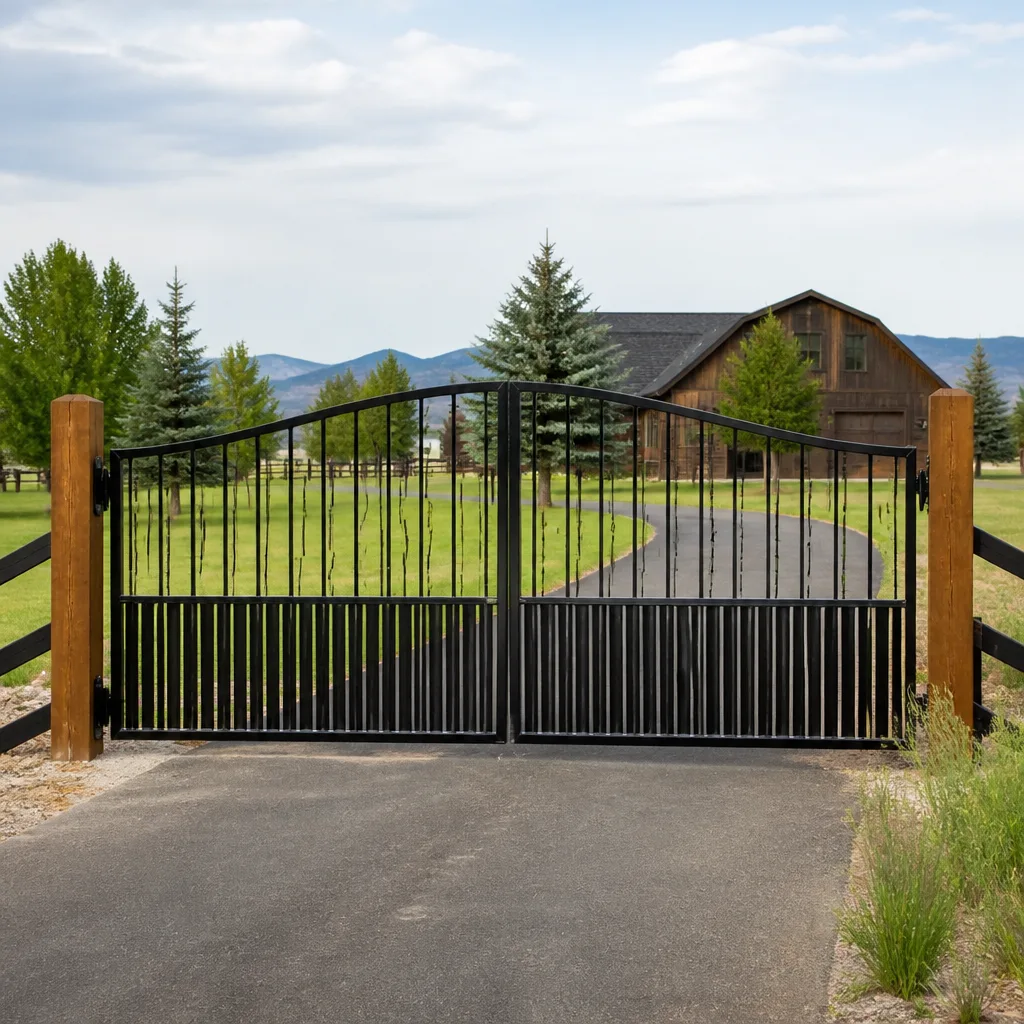 Farm & ranch
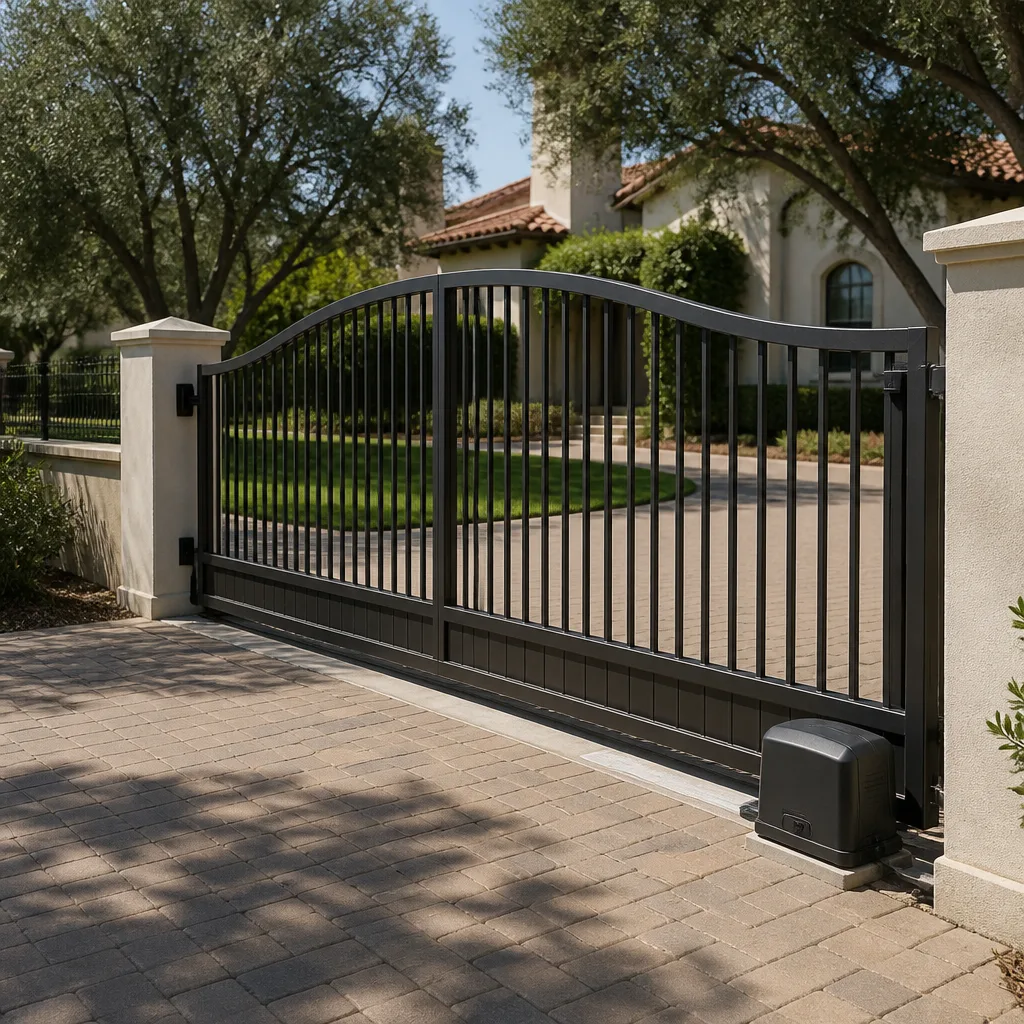 Sliding driveway gates
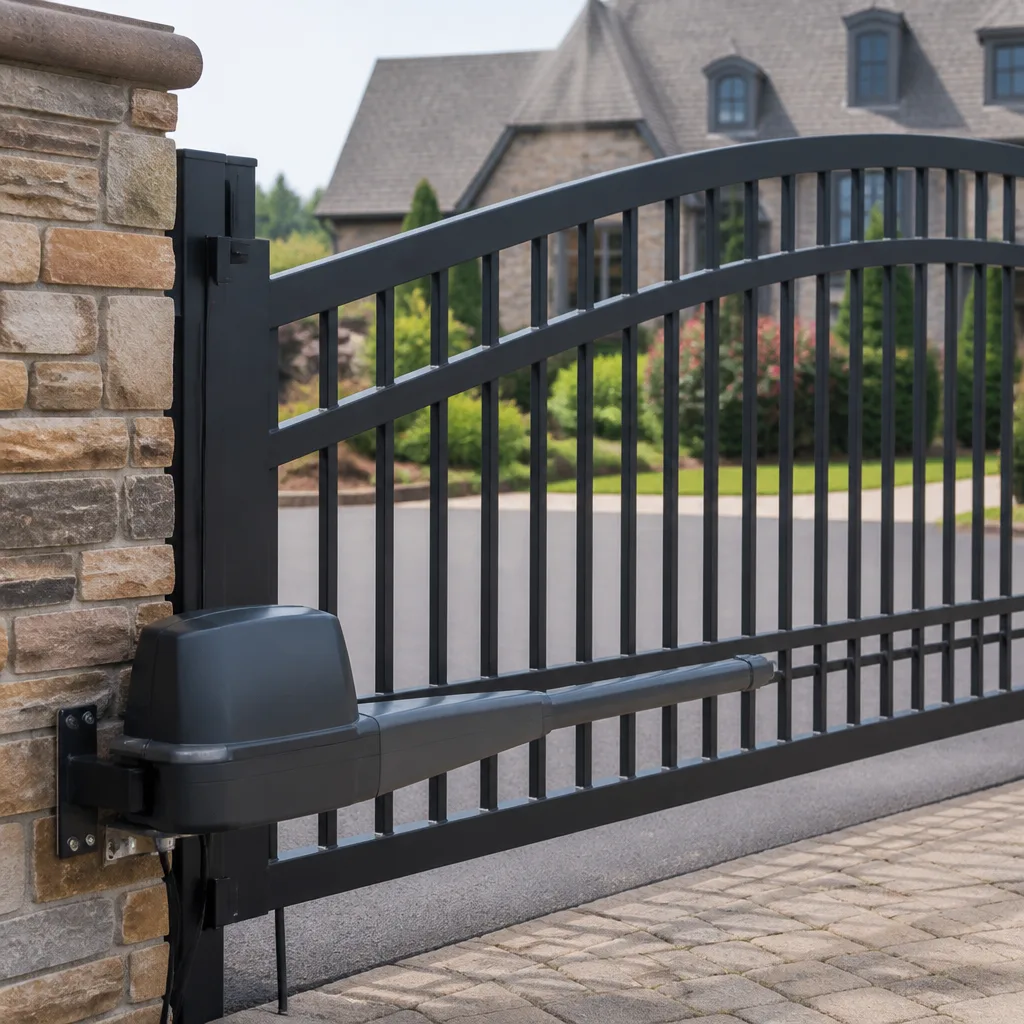 LiftMaster operators
Free on-site gate assessment - hinges, posts, and your LiftMaster or Nice gate operator checked before anything is quoted
The assessment is free and the quote is the invoice.
Get your free estimateFAAC Gate Motor Replacement: The Orlando Owner’s Guide
If your FAAC gate motor has quit, we stock the common replacement motors and control boards on our trucks, and most Orlando swaps run $650 to $1,450 installed depending on the model and swing weight. Nine times out of ten, this is a same-visit job when we have the right motor in hand. The giveaway is usually simple: the gate worked yesterday, and today it’s either completely dead, grinding without moving, or the arm swings loose with no resistance. Sometimes it hums like it’s trying. Sometimes nothing at all. Either way, a dead FAAC motor rarely fixes itself, and in Orlando’s humidity and daily rain cycles, corrosion inside the housing is usually a contributing factor. If your opener is over eight years old and the motor has failed, replacement is often the smarter money than patching a unit that’ll strand you again in three months.
Which FAAC Models This Applies To
The FAAC lineup we replace motors on most often in Orlando includes the 390/391 swing series, the 400 and 402 operators, and the compact C720/C721 units found on many residential driveway gates built in the last ten to fifteen years. The key identification point is the data plate on the operator housing: it lists the model, voltage (typically 115V for residential), and serial number. FAAC uses different motor frame sizes between the hydraulic and electromechanical lines, so the model matters. A 390 motor will not fit a 402 housing, for example, even though both are “swing gate” parts. The hydraulic units (390, 400 series, and older 750 models) have a pump-driven motor that sits in an oil bath, while the electromechanical C720/C721 family uses a direct-drive 24V motor with a worm gear. If you’re not sure which you have, text us a photo of the data plate and the underside of the operator, and we’ll match it before we even leave the shop.
On the OEM-versus-aftermarket question: for FAAC specifically, we lean OEM when the operator is under five years old, and a quality aftermarket equivalent on older units where the OEM part price exceeds the value of the gate system itself. Aftermarket FAAC-compatible motors have come a long way, but the mounting bosses and gear alignment are millimeters-critical. A cheap imported “fits all FAAC” motor is the one we get called back to fix. We stock OEM FAAC motors for the 390/400 series on the truck, and common aftermarket equivalents for the C720 family. Calder Gate Repair Orlando is an independent service provider and not affiliated with FAAC, which matters in your favor: we’ll give you the honest math on whether the OEM part is worth it for your specific gate.
Styles & brands we work with
Signs Your FAAC Gate Motor Is Failing
- The gate hums but doesn’t move. That’s the motor receiving power but the gear or pump not engaging. On hydraulic FAAC units, this often means the motor is running but the bypass valve is stuck or the oil is degraded; on electromechanical models, stripped gears are usually the culprit. Either way, the motor is working against something it can’t overcome.
- Intermittent operation: works in the morning, dead by afternoon. This is the thermal overload protecting the motor winding. In Orlando’s summer heat, a motor that’s been running marginally for months finally trips when ambient temperature peaks. It’ll “come back” after cooling, but once it starts cycling on thermal protection, the winding is on borrowed time.
- The gate moves slower than it used to, even after a fresh battery or capacitor. Worn motor brushes or a failing start capacitor on 115V models will reduce torque gradually. You notice the gate hesitates halfway through its travel. That’s the motor losing the ability to push the swing arm with factory force.
- Burnt smell or visible oil weep from the operator housing. On hydraulic FAAC units, oil seeping at the shaft seal or a scorched electrical smell from the motor means the seal has failed and the motor has been running hot. In Orlando humidity, that oil attracts dirt that then works its way into the housing.
- You have to press the remote two or three times before the gate responds. The control board is often blamed, but a motor with high internal resistance will pull more current than the board expects, and the board will sometimes refuse the first command. Swap the motor, and the “board problem” disappears.
See the difference
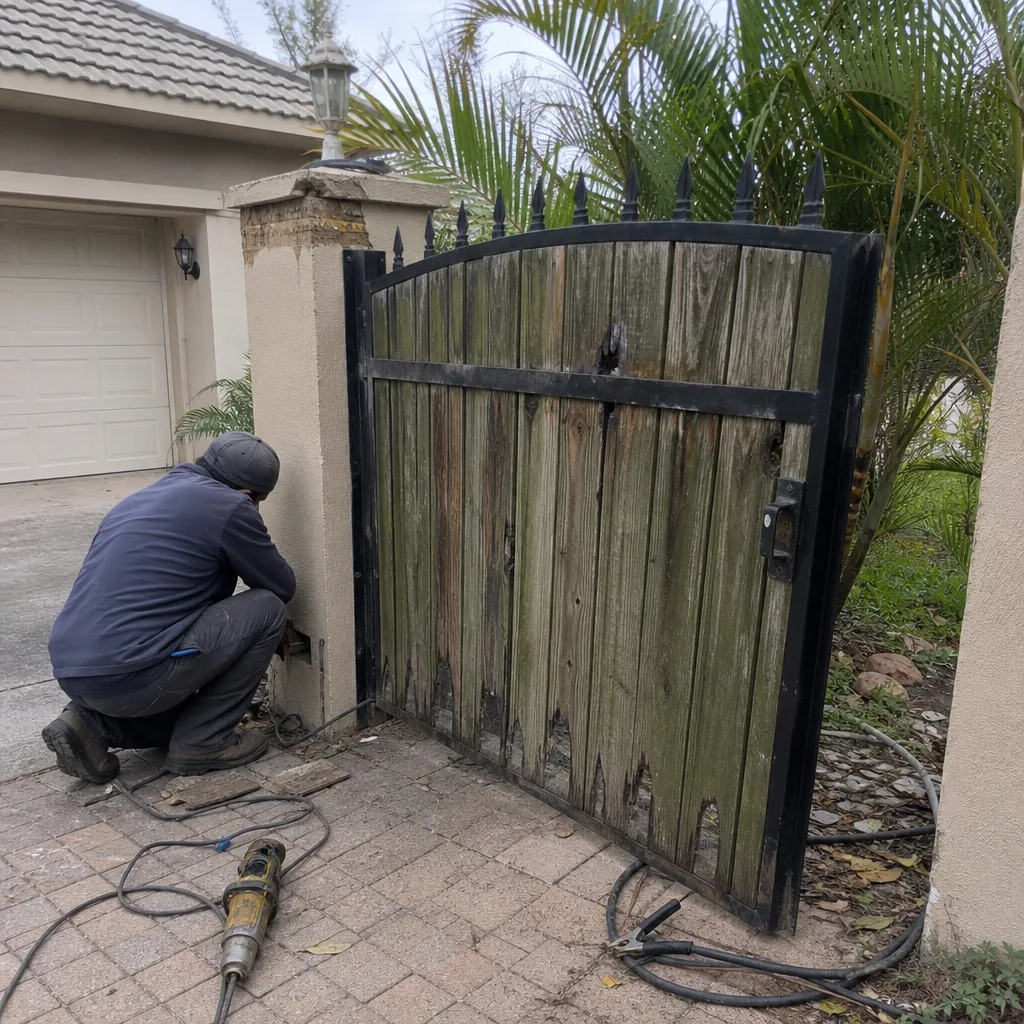 Before
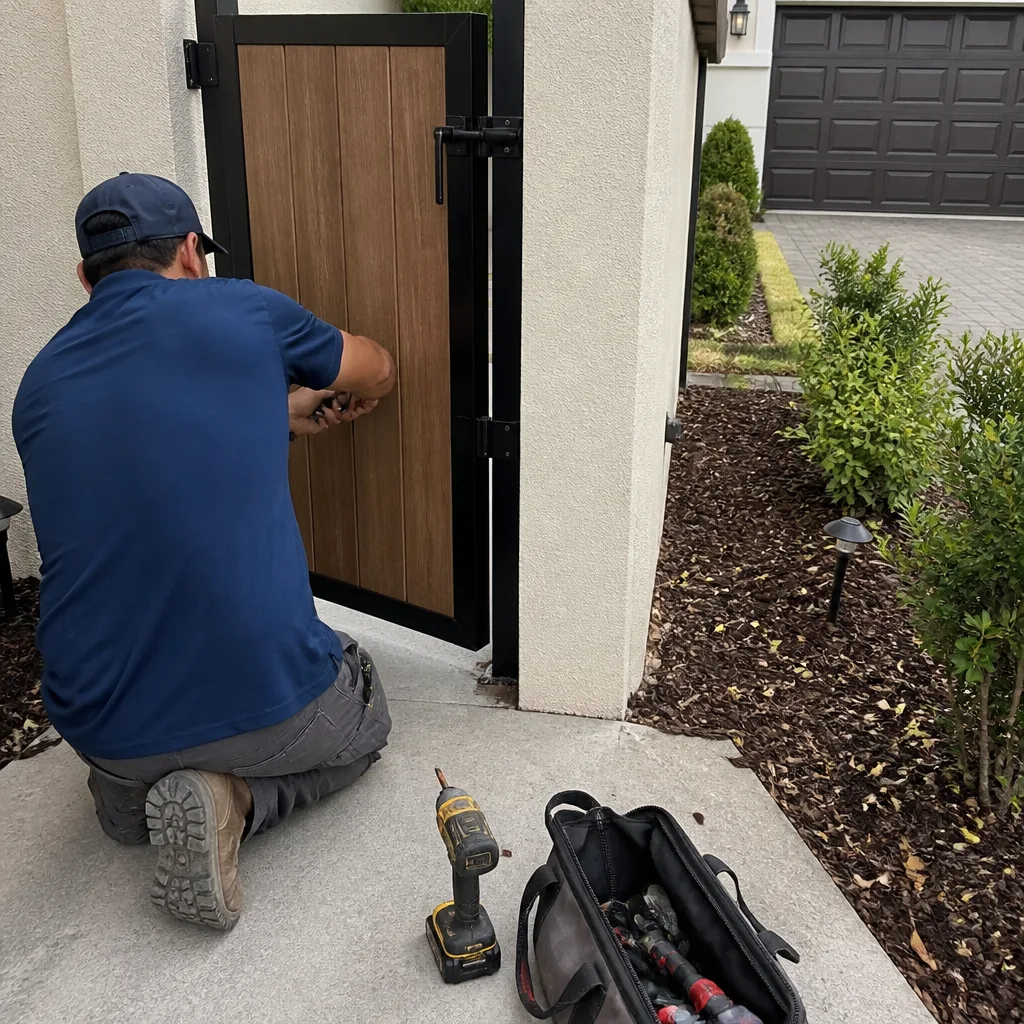 After
After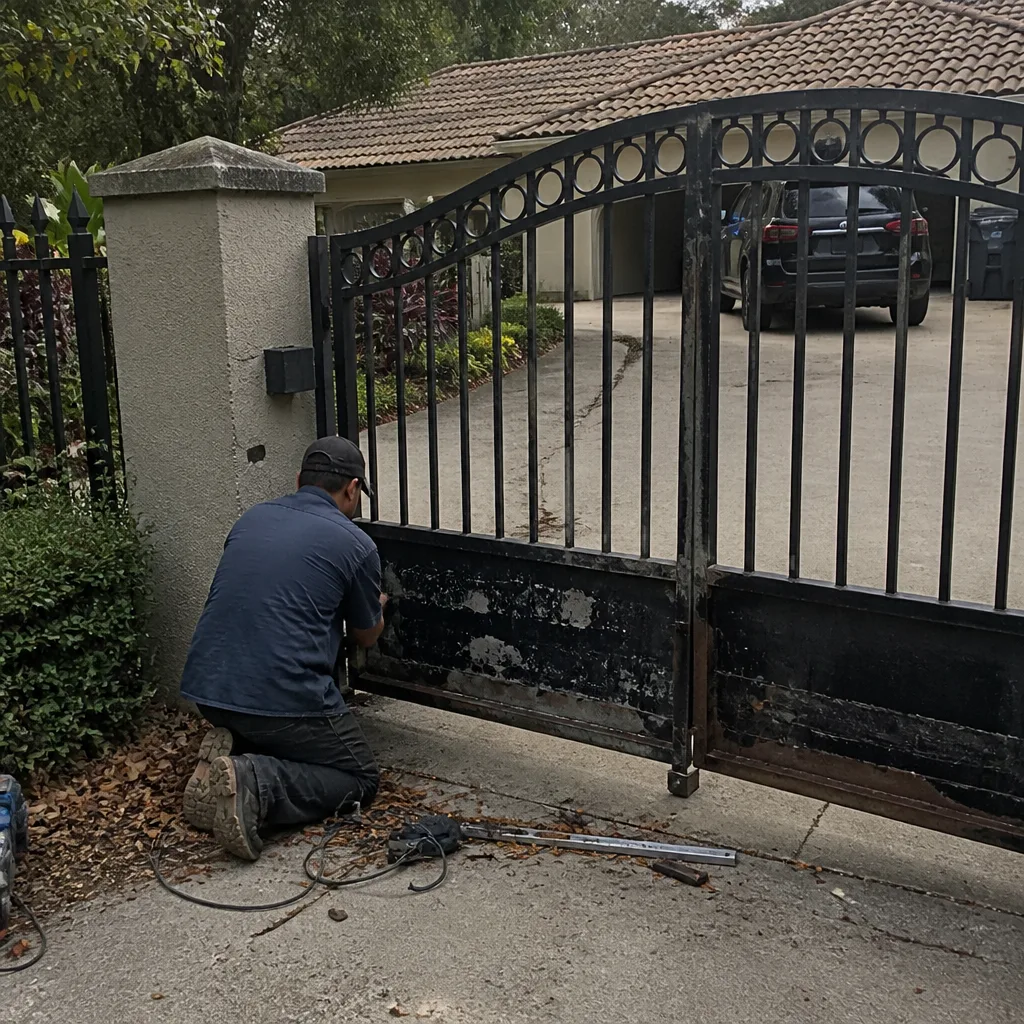 Before
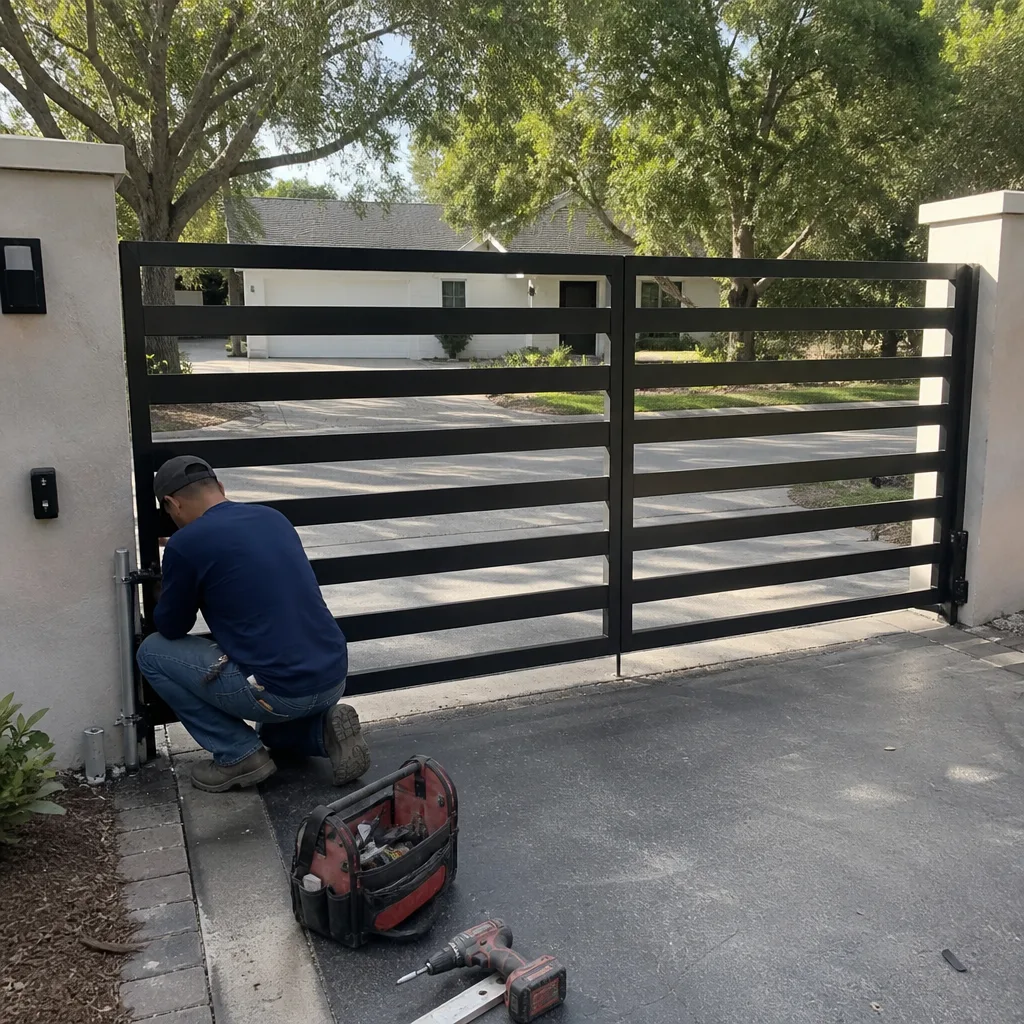 After
After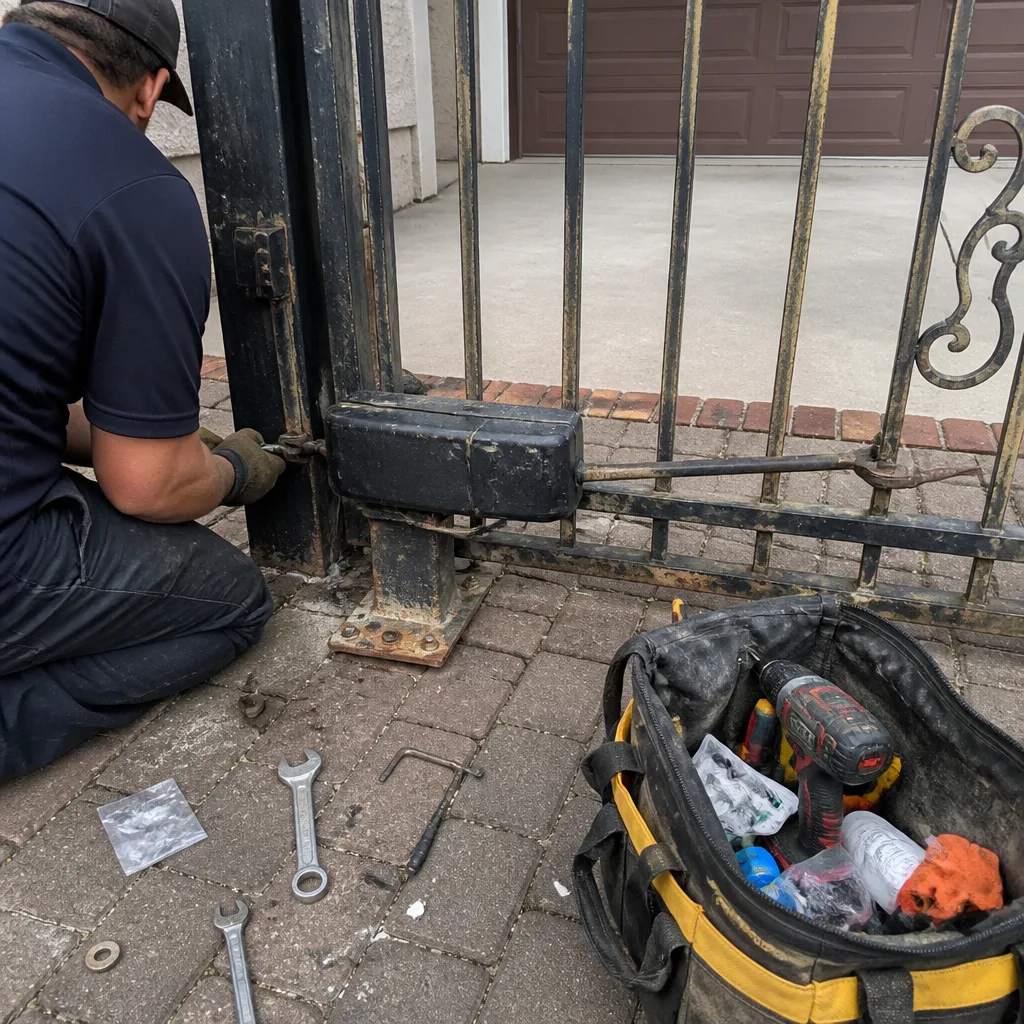 Before
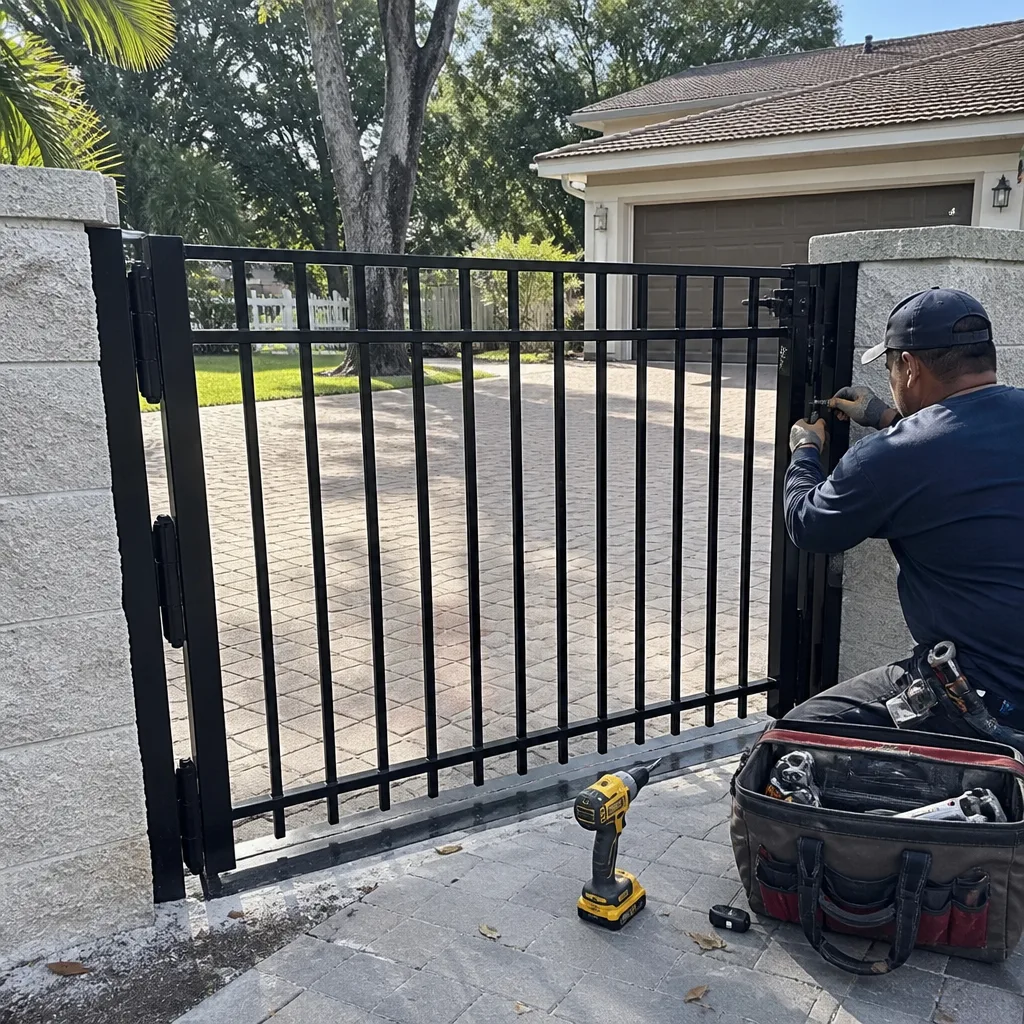 After
AfterReplacement Cost & What’s Included
In the Orlando market, a FAAC gate motor replacement installed by us typically lands between $650 and $1,450. The spread comes down to three things: whether it’s a hydraulic unit (higher labor, more steps to bleed and reseal) or an electromechanical unit (straightforward swap); whether you need an OEM FAAC motor or a compatible aftermarket one; and whether the existing mounting bracket survives the old motor coming out. Here’s the parts-plus-labor breakdown we quote from, with the part itself running $350 to $900 depending on the model:
- Evaluation and testing to confirm the motor is actually the failed part: included with the repair.
- Replacement motor (OEM or aftermarket, model-matched): $350 – $900 for FAAC.
- Labor and on-site calibration of travel limits and force settings: $250 – $450.
- Gear or seal replacement if the old motor’s condition damaged either: $80 – $180, only if needed.
Every FAAC motor we install is covered by the 365-Day Done Right Promise: if the motor fails within 365 days, we come back and make it right at no charge, including a free second visit if the repair doesn’t hold. The written price you approve before we start is the number on the invoice. That’s not a negotiation; it’s how we’ve done it since day one.
DIY or Call Us?
Honest answer: this one skews toward calling us. A FAAC gate motor is an electrical component wired to line voltage (on 115V models) or a 24V transformer that can still push real current through undersized wiring. If you’re comfortable with a multimeter, you can safely check the obvious things: the breaker, the connection at the junction box, and whether the motor’s thermal overload button has tripped and can be reset. But opening the operator to pull the motor means discharging capacitors, re-aligning the gear mesh, and on hydraulic units, handling oil that makes a mess of a Florida driveway in seconds. If the motor mounting has even one degree of misalignment, the new motor eats itself in six months. That’s a $900 mistake you’ll make once.
If you’re on the fence, call us at (850) 338-6230. We’ll talk through what you’re seeing, tell you if it’s worth a service visit, and send a background-checked, uniformed technician with a live arrival time you can track. Nico Alvarez and his crew have done enough FAAC swaps in Orlando to know which models fail young and which ones are worth saving.
FAQs
A properly installed residential FAAC operator typically lasts 8 to 12 years in Central Florida, with the motor itself the first major component to go. Heat, daily thunderstorms, and the constant humidity are the killers: they accelerate seal wear and corrosion on the windings and board-level connectors. Coastal-adjacent properties near lakes and retention ponds tend to see failures at the shorter end of that range.
Sometimes yes, but not usually for less money. Motor brush replacement and capacitor swaps are feasible repairable items on certain 390-series units, and we’ve resurfaced worn commutators on older electromechanical motors with success. But once the winding insulation breaks down or the hydraulic pump shaft scores, rebuild costs approach or exceed replacement. We’ll give you the repair-versus-replace math in writing before touching anything. If I can’t explain the problem in plain English, I don’t get to charge you for it.
Most residential swaps take two to four hours from arrival to final gate cycle test. That includes removing the old motor, fitting and aligning the new one, bleeding hydraulic units, setting travel limits and force, and running the gate through ten open-close cycles with your remotes and keypad. If the mounting bracket needs fabrication or replacement, add an hour.
We stock common 390/400-series OEM motors and C720-family aftermarket equivalents on our Orlando service vehicles, and we also carry parts for LiftMaster, Mighty Mule, and Ghost Controls operators. If your specific FAAC motor isn’t on the truck, we can typically have it in hand within one to two business days and schedule you for a single-visit install. Call (850) 338-6230 with your model number and we’ll check stock before you book.
Written by Nico Alvarez, Owner & Lead Technician, Calder Gate Repair Orlando at Calder Gate Repair Orlando, serving Orlando and nearby areas.