
Last updated October 16, 2026
 Wrought iron
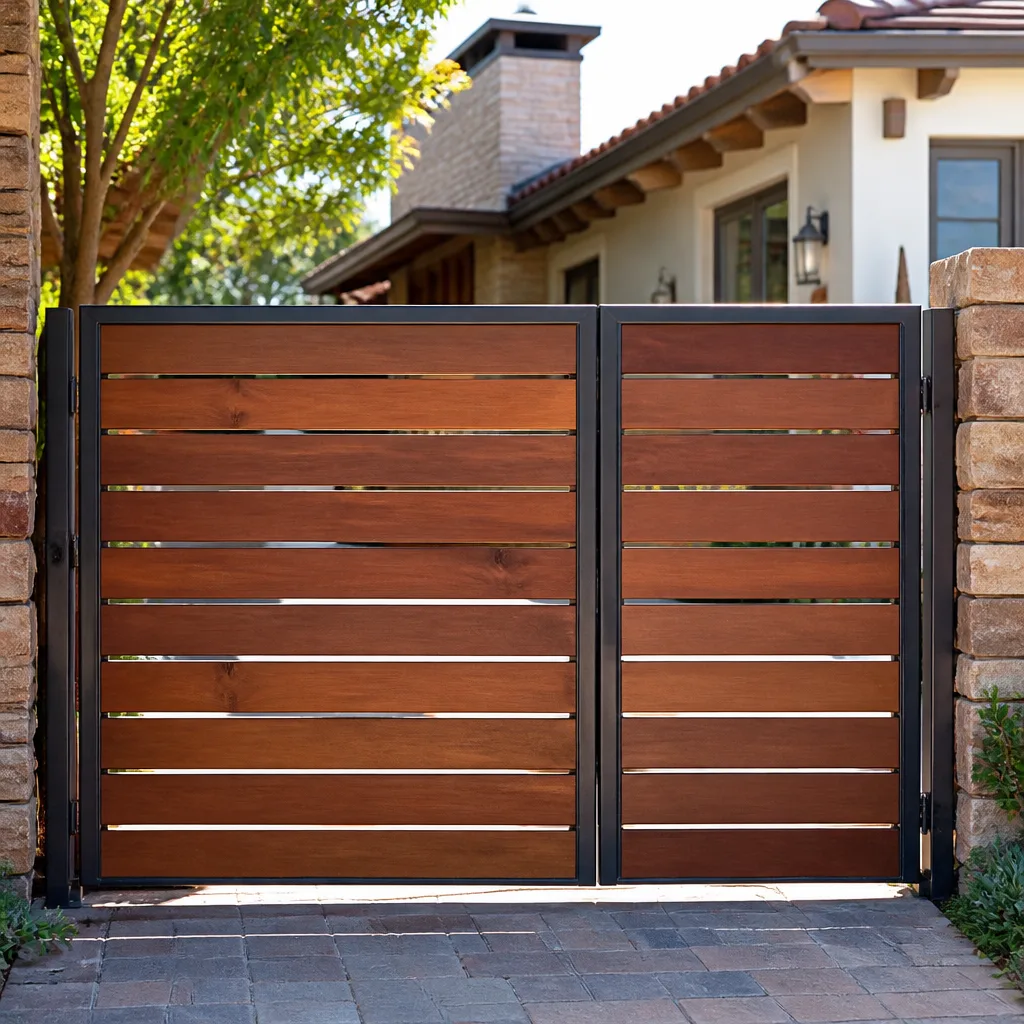 Wood & steel frame
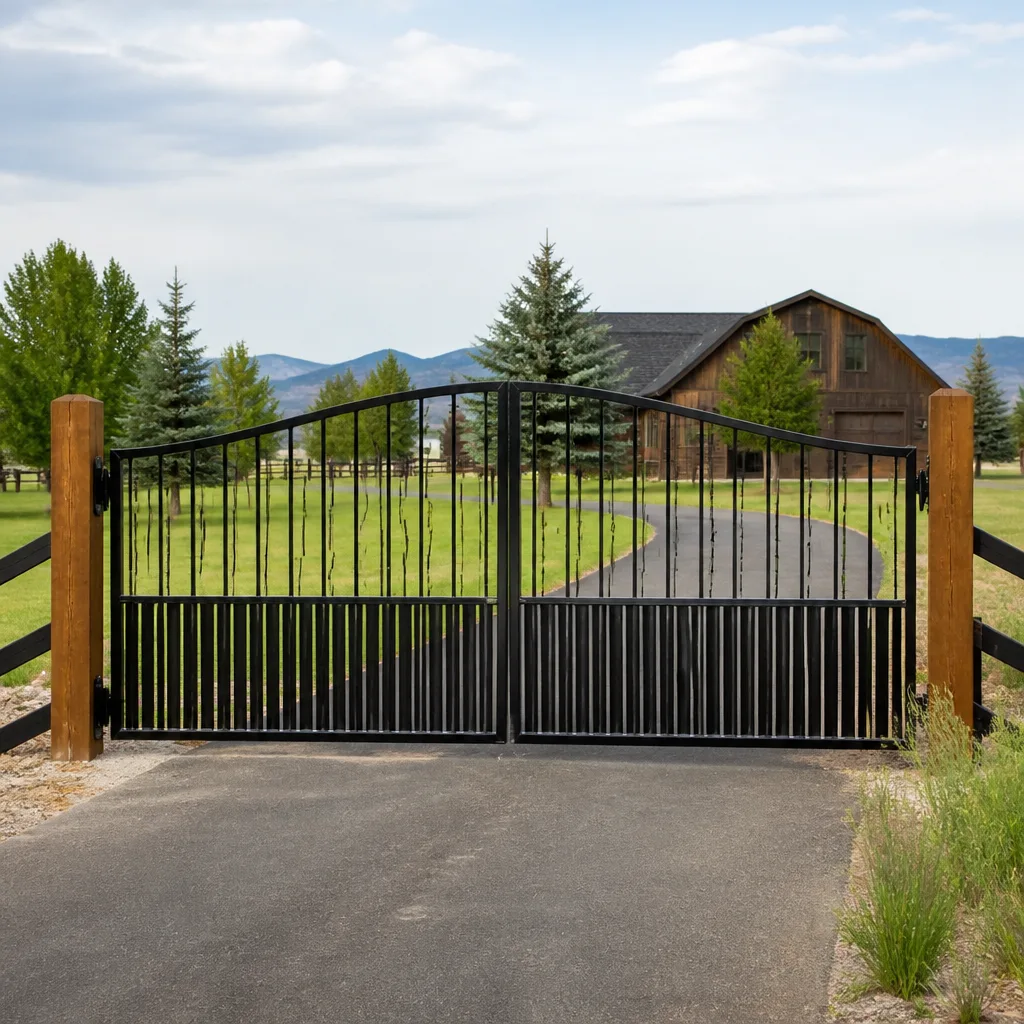 Farm & ranch
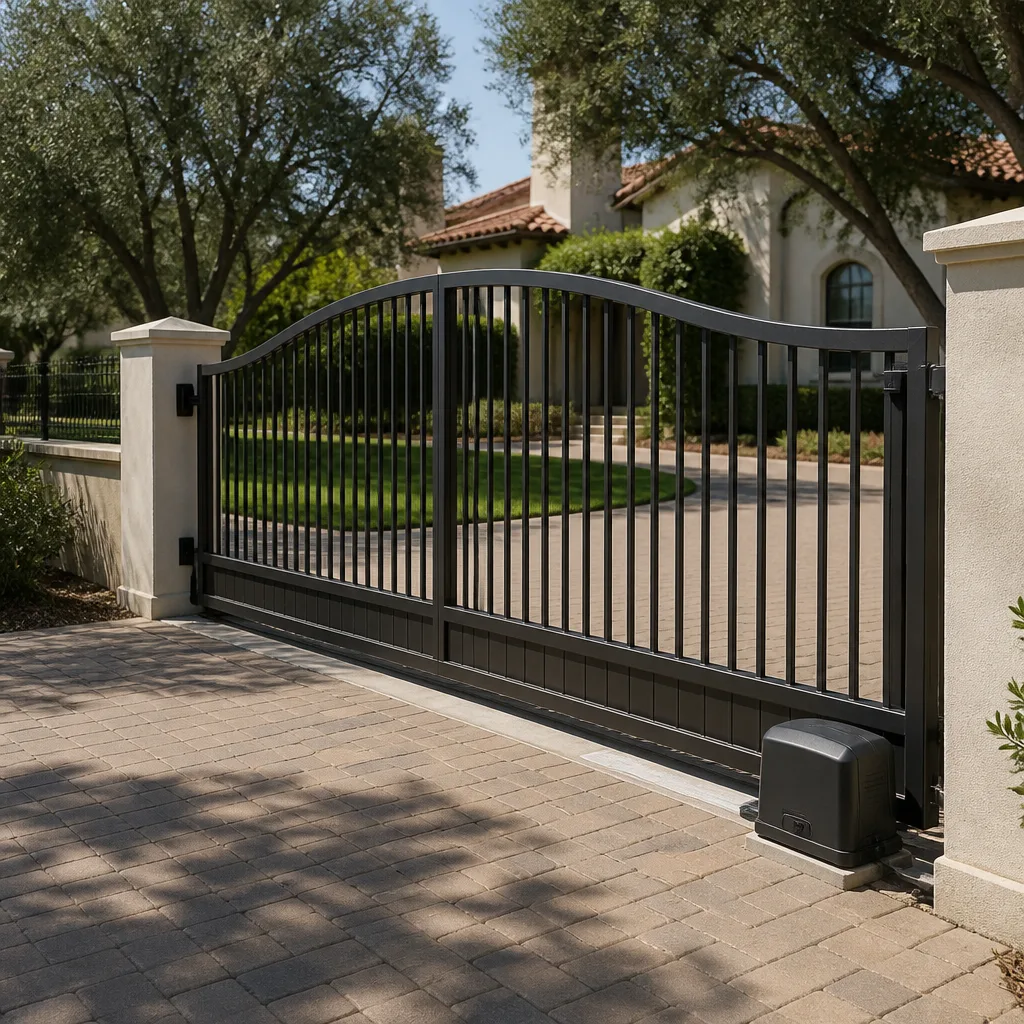 Sliding driveway gates
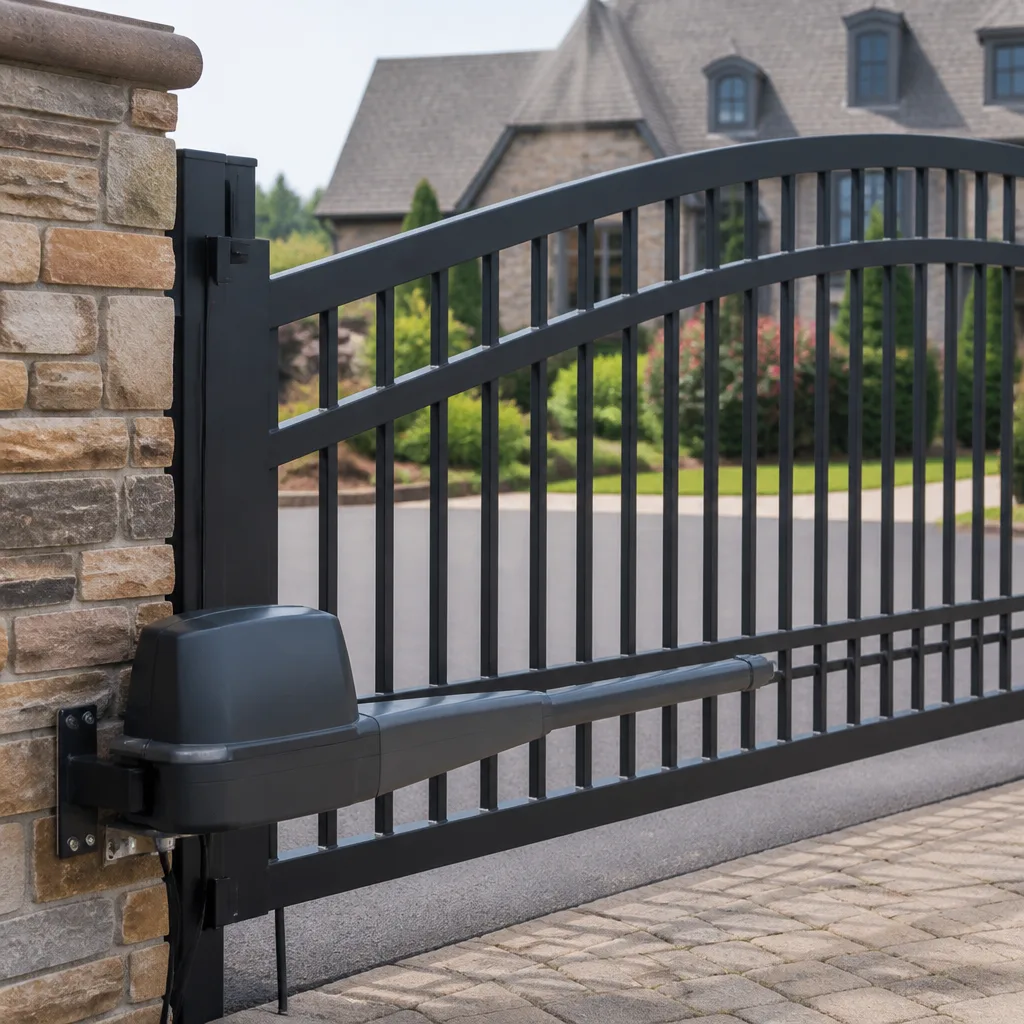 LiftMaster operators
Free on-site gate assessment - hinges, posts, and your LiftMaster or Nice gate operator checked before anything is quoted
The assessment is free and the quote is the invoice.
Get your free estimateGate Repair Permits, Codes & Inspections in FL: What You Need to Know
Most Orlando homeowners we talk to assume gate repairs never need permits. That assumption is the single most expensive mistake in residential gate work, and it surfaces at the worst possible moment: during a home inspection, when a buyer’s inspector flags an unpermitted gate installation and the seller is suddenly facing a five-figure concession or a failed sale. This guide walks through exactly when a Florida gate repair triggers a permit, which Orlando and Orange County codes apply, how pool barrier law complicates even a simple motor swap, and what to do if you’re holding a home with unpermitted gate work right now. We’ll also cover what the inspection process actually looks like, so you’re not caught off guard by a code enforcement officer at your driveway.
Styles & brands we work with
Quick Answer
Most gate repairs in Florida do not require a permit when you’re swapping like-for-like parts: a gate opener motor, a receiver board, a hinge, a wheel. Permits become mandatory when the work changes the structure, the electrical load, the post footing, or the gate’s function as a safety barrier. That means new post-setting, panel replacement that changes weight or swing, upgrading from a 120V opener to a 240V circuit, or any gate adjacent to a pool that no longer self-closes and self-latches. If you’re unsure, call your local building department or a licensed Gate Repair services contractor in Orlando who deals with Orange County permitting daily.
Table of Contents
- Florida Permit Law for Gate Work: The 3 Triggers That Matter
- Orange County & Orlando Code: When Repair Becomes Replacement
- Florida Pool Barrier Law (Statute 515) and Automatic Gates
- Flood Zones, FEMA Elevation Certificates, and Gate Permits in Central Florida
- The Inspection Process for a Permitted Gate Job in Orlando
- How to Retroactively Permit Unpermitted Gate Work Before Selling
- What Gate Permits Cost in Orange County and Who Pays
- Common Mistakes to Avoid
- When to Call a Professional
- Frequently Asked Questions
- The Bottom Line
Florida Permit Law for Gate Work: The 3 Triggers That Matter
Florida Building Code draws a line between maintenance and construction. Knowing which side of that line your gate repair falls on determines whether you need a permit before anyone touches a screwdriver.
Here’s the distinction in plain terms:
- Maintenance and minor repair: No permit required. This includes replacing a worn gate opener motor with the same voltage and horsepower, swapping a broken hinge, replacing a receiver board, adjusting a limit switch, or re-welding a small crack in an aluminum frame. The key test: does the gate weigh the same, swing the same, and draw the same electrical load after the work as before?
- Replacement of major components: Permit generally required. If you’re replacing the entire gate panel, changing from a swing gate to a slide gate, setting new posts in concrete, or replacing the opener with a higher-horsepower unit that requires a new dedicated circuit, you’ve crossed into construction territory.
- New installation: Permit always required in Orlando. A new gate, new opener, new electrical run, new post footings, or a gate added to a property where none existed before is treated as new construction by Orange County.
In our experience at Gate Repair in Orlando, homeowners get tripped up most often by panel replacement. A 16-foot wrought iron gate panel can weigh 400 pounds. If a tree limb falls on it and you replace it with a heavier panel, the existing opener may not be rated for the new load, and the footing may not be sized for the added force. That’s a structural change, and it’s exactly what inspectors look for when a home changes hands.
Florida Building Code, 7th Edition (2023) is the operative code in effect across Orange County as of this writing. Orlando and unincorporated Orange County both adopt it with local amendments. If you’re inside Orlando city limits, the city’s Building Services Division handles permits. If you’re in unincorporated areas like Pine Hills, Azalea Park, or Conway, it’s the Orange County Division of Building Safety. The requirements are nearly identical, but the application portal and fee schedule differ slightly.
What Does Florida Code Actually Say?
Florida Building Code (FBC) Chapter 1, Section 105 lists work exempt from permitting. Gate openers are not on the exempt list when they require electrical work beyond a simple cord-and-plug connection. FBC Electrical Code Article 110 requires all new electrical circuits for gate operators to be GFCI-protected and installed by a licensed electrical contractor. FBC Chapter 30 governs the structural requirements for gates: wind load ratings, post embedment depth, and hinge sizing. Central Florida’s wind zone means gates over 6 feet tall must be engineered for at least 140 mph wind load, which most homeowners never think about until a code reviewer requests an engineering letter for their new grand entrance gate.
Orange County & Orlando Code: When Repair Becomes Replacement
Orange County has specific threshold language that turns a “repair” into a “replacement” requiring a full permit. Here’s what the county’s building officials look at when you file a permit application for gate work:
The Orange County Threshold List
- Post-Setting: If a gate post is loose, rotted, or damaged and you dig it out to set a new one in concrete, that’s new construction. The county requires a footing inspection before the concrete is poured. If you’ve already poured it and then apply for a permit, you’ll pay a “work without permit” penalty fee and may need to expose the footing for inspection, which means chipping out your fresh concrete.
- Panel Replacement: Replacing a gate panel with one that differs in weight by more than 10% from the original triggers a structural review. If the new panel is aluminum and the old was wrought iron, the weight difference changes the load on the hinge post, the opener, and the concrete footing.
- Opener Upgrade with Circuit Change: Ghost Controls and Mighty Mule openers mostly run on 12V or 24V DC systems with plug-in transformers, which rarely trigger permits. But a Viking or FAAC hydraulic operator often requires a dedicated 240V circuit. Adding a new circuit means an electrical permit, full stop. The electrical inspector will verify the circuit protection, the disconnect location, and the grounding.
- Gate Automation Added to an Existing Manual Gate: If you have a manual swing gate and you’re adding a Linear or BFT opener, the county treats it as new automation. The permit application includes the opener’s UL 325 compliance documentation, which is the safety standard for automatic gate operators covering entrapment protection devices. This is not optional paperwork.
- Structural Modifications: Welding a new sub-frame to support a heavier panel, adding a pedestrian gate beside a vehicular gate, changing gate swing direction, or modifying the hinge side of the gate all require structural review. In Orlando’s older neighborhoods like College Park and Thornton Park, where properties were built before modern code, these modifications often expose unsized footings that then need to be brought up to current standards.
What a “Repair” Permit Application Looks Like in Orange County
If your gate repair does require a permit, here’s the Orange County process, step by step:
- Determine jurisdiction: Check whether your address is inside Orlando city limits or unincorporated Orange County. Use the Orange County Property Appraiser’s parcel search. Your tax bill from the Orange County Tax Collector will also show your jurisdiction.
- File the permit application: Orlando uses its Online Permitting Services portal. Orange County uses Fast Track Online Services. Both require a parcel number, a description of work, the contractor’s license (if using one), and the total job valuation.
- Submit supporting documents: For gate work, this typically means a site plan showing the gate location, a product specification sheet for the opener (showing UL 325 compliance), and an electrical load calculation if a new circuit is involved. If the gate is over 6 feet tall, an engineering letter stating wind load compliance is often required.
- Pay the fee: Gate repair permits in Orange County typically run $85 to $350 depending on valuation, plus a surcharge. We’ll cover exact numbers in the cost section below.
- Schedule inspections: For a gate replacement with a new post, you’ll need a footing inspection before concrete, and a final inspection after the gate and opener are installed. For a simple opener swap with a new circuit, it’s typically one electrical final inspection.
- Final inspection and close-out: The inspector verifies the gate’s operation, the entrapment protection system (photo eyes or contact edges), the self-closing and self-latching function if applicable, and the electrical safety. Once passed, the permit is closed and the work is official.
Here’s the thing most guides won’t tell you: the inspector is not your adversary. In Orlando, gate code enforcement is handled by the same inspectors who check fence permits, and they’re pragmatic about existing conditions. What they will not overlook is a gate that fails to reverse when an obstruction is detected, because that’s a child-safety issue with documented fatalities nationwide.
Florida Pool Barrier Law (Statute 515) and Automatic Gates
This is where gate repair in Florida gets genuinely different from the rest of the country. Florida Statute Chapter 515, the “Residential Swimming Pool Safety Act,” imposes specific requirements on any barrier that separates a pool from the rest of the property. Your driveway gate is not typically the pool barrier, but many Orlando homes have side-yard gates that form part of the pool enclosure, and in some lot configurations, the driveway gate itself is part of the barrier system.
Here’s what the statute requires, and what it means for your repair:
- Self-closing and self-latching: Any gate that forms part of a pool barrier must close automatically from any position and latch automatically when it reaches the closed position. The latch must be placed at least 54 inches above grade on the pool side, or otherwise inaccessible to a child under 5. If your gate opener repair leaves the gate unable to self-close, you’re in violation, and a pool safety inspection will fail.
- Gap limitations: The gate must not have gaps larger than 4 inches anywhere, and no opening that would allow a 4-inch sphere to pass through. When a gate is repaired, re-hung, or re-welded, those gaps must be maintained.
- Gate height: Pool barrier gates must be at least 48 inches high. If your gate panel replacement reduces the height, you’ll fail inspection.
- Automatic gate operators on pool barriers: Florida Statute 515 adopts UL 325 safety standards. That means photo eyes, contact edges, or both, depending on the gate’s design. A gate that uses only an internal current-sensing reversal without a secondary entrapment device is not compliant for pool barrier use.
We’ve seen this exact scenario-detailed in our Gate Repair Warning Signs: A Orlando Homeowner’s Reference Guide-play out in neighborhoods like Baldwin Park and Dr. Phillips: a homeowner replaces a gate opener on a side-yard gate that forms part of a pool enclosure, and the new opener doesn’t have the hydraulic closer needed to meet self-closing requirements. Six months later, they’re selling the house, the buyer’s pool safety inspection fails, and the deal is on hold while a new closer gets ordered and installed. The repair costs more than the original job because it’s now being done under time pressure.
If your gate is adjacent to a pool or forms any part of a pool barrier, the repair standard is higher. The good news is that Calder Gate Repair works with FAAC and BFT operators that have integrated hydraulic closers and external safety edge inputs, which are specifically designed for pool barrier compliance in Florida. A quick call before any work starts can tell you whether your existing gate setup meets the bar.
Flood Zones, FEMA Elevation Certificates, and Gate Permits in Central Florida
Most homeowners never connect flood zone designation to gate work. Here’s why it matters in Orlando. Large swaths of Orange County sit in FEMA-designated Special Flood Hazard Areas: AE zones along the Econlockhatchee River, the Wekiva River basin, and the Little Wekiva canal system. Even if your house itself is elevated above base flood elevation, the structures in your yard may not be.
Here’s the connection to gates:
- FEMA elevation certificates document the elevation of the lowest floor of a structure. A gate post set in concrete with a footing is a “structure” in the eyes of the Floodplain Management office. If your new gate post is in an AE flood zone and the post base sits below base flood elevation, the county may require a floodplain review before issuing a gate permit.
- Substantial improvement rules: If the gate work is part of a larger project that constitutes 50% of the value of any structure on the property, FEMA’s substantial improvement rule kicks in, and the entire structure may need to be brought up to current floodplain standards. A grand driveway gate and opener package can run $8,000 to $20,000 in Orlando’s luxury neighborhoods, and that valuation can nudge a project into substantial improvement territory for an older garage or outbuilding.
- Electrical components in flood zones: FEMA technical bulletin 4 requires that electrical equipment in flood-prone areas be elevated above base flood elevation or designed for submergence. A gate opener control box mounted on a post in an AE flood zone may be required to sit above BFE. We’ve had to relocate control boxes higher on posts after a floodplain review caught a low-mounted unit.
- Zone X properties: If you’re in Zone X, as most of Winter Park, Baldwin Park, and the higher elevation areas around Disney are, flood zone triggers almost never apply to residential gate work. This is a central Orlando and low-lying unincorporated Orange County issue.
If you’re not sure what flood zone your property falls in, the FEMA Flood Map Service Center has a parcel look-up, and the Orange County Floodplain Management office can tell you whether your specific gate project needs a floodplain review. The fee for a floodplain review, when required, is usually reasonable: $75 to $150. The delay it adds to your permit timeline is less reasonable: typically 1 to 2 weeks.
The Inspection Process for a Permitted Gate Job in Orlando
Let’s say your gate repair does trigger a permit. Here’s what actually happens, step by step, from the day the permit is issued to the day it’s closed out.
Who Inspects What
- Footing inspection (if new posts): The building inspector verifies that the post hole is the correct diameter and depth per the engineer’s schedule, that the reinforcing steel is in place, and that the hole is clean before concrete is poured. In Orlando’s sandy loam soils, typical residential gate post footings are 24 to 36 inches deep and 12 to 18 inches in diameter, but heavier gates on clay-heavy soils in areas like Apopka may need deeper footings.
- Electrical rough-in (if new circuit): The electrical inspector checks the wire gauge, the conduit run, and the disconnect location before the opener is connected. The disconnect must be within sight of the gate operator and readily accessible, per NEC 430.102.
- Final inspection: The inspector operates the gate through a full cycle. They test the entrapment protection: a photo eye must stop and reverse the gate when the beam is interrupted, and a contact edge must reverse on pressure. They check that the gate closes and latches automatically if it’s part of a pool barrier. They verify the gate does not create a gap larger than 4 inches anywhere, and they confirm the opener’s UL 325 label is visible.
Realistic Timeline in Orange County
A simple gate opener permit with a new electrical circuit runs about 5 to 10 business days from application to final inspection in Orlando, assuming the documents are complete on the first submission. A full gate replacement with new posts and a structural review runs 2 to 4 weeks, plus the curing time for concrete footings (typically 3 to 7 days before hanging a heavy gate). Floodplain review adds 1 to 2 weeks on top of that.
In our experience, the most common delay is missing documentation. The UL 325 compliance sheet for the opener is an easy one to miss, and the county will not schedule an inspection without it. The second-most common delay is the site plan: hand-drawn is fine, but it must show the gate, the posts, the opener location, and the nearest electrical panel. Print it, snap a photo, upload it. Done.
How to Retroactively Permit Unpermitted Gate Work Before Selling
This is the section most Orlando real estate agents never discuss with sellers, and it costs their clients real money. If you had gate work done without a permit, and you want to sell the house, here’s how to clean it up before it becomes a title company problem.
The Retroactive Permit Process
- Pull a “work without permit” or “after-the-fact” permit: Both Orlando and Orange County allow after-the-fact permitting. You file the application the same way you would for new work, but you disclose that the work is already complete. There’s a penalty fee on top of the standard permit fee, typically calculated as a percentage of the permit fee: it’s usually 50% to 100% extra in Orange County, and sometimes more for repeated offenses. For a typical gate opener installation, expect total fees of $250 to $700 including penalties.
- Prepare for the “as-built” inspection: The inspector will come out and evaluate the existing installation. If the post footings are buried under concrete, the inspector may accept evidence like photos taken during installation (if you have them), or they may require exposing a small section of the footing. This is the hard part: if the footing was undersized or the conduit is not to code, you’ll hear about it at this inspection.
- Correct any deficiencies: If the inspector finds the work doesn’t meet code, you’ll need to bring it up to compliance before the permit can close. This is where the cost can escalate: re-pouring a gate post footing after the fact is significantly more expensive than doing it right the first time, because you’re now demolishing and rebuilding rather than building once.
- Close the permit: Once corrected and re-inspected, the permit closes and the work is officially recognized. You’ll get a closed permit record, which is what the title company and the buyer’s inspector need to see.
One thing to know: if a buyer’s inspector finds unpermitted gate work after closing, the seller is generally off the hook, but the buyer may have grounds to go after the seller for failure to disclose known unpermitted work under Florida Statute 689.25, which requires sellers to disclose all facts materially affecting the property value. And the buyer’s lender may have issues, because unpermitted work can affect appraisal and insurance underwriting.
What If the Work Was Done Before You Bought the House?
If you purchased a home with unpermitted gate work already in place, you’re in a better position than the seller who did the work themselves. You can hire a licensed contractor to evaluate the existing installation, and if it meets current code, you can pull an after-the-fact permit with a simple statement that the work pre-dates your ownership. If it doesn’t meet code, your options are to correct it or to disclose it when selling. Disclosing it is cheaper than fixing it in most cases, but expect a price concession: buyers in Orlando are savvy, and they’ll ask for credit to bring the gate up to code themselves.
What Gate Permits Cost in Orange County and Who Pays
Here are current permit fee ranges for gate work in the Orlando area. These are ballpark numbers based on our experience filing permits in both jurisdictions, not a guaranteed fee schedule, because fees change and your project’s valuation drives the final cost.
| Permit Type | Typical Fee Range | Notes |
|---|---|---|
| Gate opener replacement, like-for-like | $0 | No permit required if no structural or electrical change |
| Gate opener with new circuit | $95 – $185 | Electrical permit only |
| Gate post replacement | $120 – $250 | Building permit, footing inspection included |
| Full gate replacement with automation | $250 – $400 | Building + electrical permits, structural review possible |
| After-the-fact permit penalty | 50 – 100% of base permit fee | Added on top of the standard fee |
| Floodplain review (if required) | $75 – $150 | Only for flood zone properties |
Who pays the permit fee depends on the contract. In most Orlando gate repair and replacement projects, the contractor bundles the permit fee into the total job cost and handles the filing. If you’re hiring a handyman who can’t pull a permit, that’s a red flag-see our How to Hire a Gate Repair Contractor in Orlando: A Step-by-Step Guide for what to look for. You’d need to file as homeowner-builder, which triggers additional documentation like the homeowner-builder affidavit, and in some cases, additional insurance requirements from your lender.
We include permit filing and fee in every Electric Gate Repair in Orlando quote that requires one, and the price on the quote is the price on the invoice. No surprise permit charges added at the end.
Common Mistakes to Avoid
- Swapping a 1/2 HP opener for a 1 HP opener without checking the circuit. The higher-horsepower Viking opener draws more current, and if the existing circuit is sized for the old unit, you’ll nuisance-trip breakers or worse, overheat the wire. We see this in College Park and Winter Park homes built in the 1960s and 1970s, where original 15-amp circuits are already loaded.
- Replacing a gate panel with a different weight and not telling anyone. The new panel may look great, but if it’s 100 pounds heavier than the old one, the existing opener’s duty cycle shortens dramatically, and the post footing may be undersized for the load. That’s a structural permit violation, not just a repair issue.
- Ignoring pool barrier requirements when repairing a side-yard gate. If the gate is part of the pool enclosure and the repair leaves it unable to self-close from any position, you’ve created a code violation that can fail a future home inspection and, more importantly, puts a child at risk.
- Setting new gate posts without a footing inspection. You’ve now got concrete in the ground that the county needs to verify. If the inspector can’t see the reinforcing steel, you may have to chip out the concrete, which is a brutal and expensive fix.
- Applying for a permit after the work is done and claiming it was always permitted. Building departments pull satellite imagery, and they inspect the property. They know the difference between new concrete and 10-year-old concrete. File honestly: the “work without permit” path exists for a reason, and honesty saves you penalties down the road.
- Hiring an unlicensed contractor who “handles everything.” In Florida, only a licensed contractor can pull a permit for gate work that requires one. If your contractor is asking you to file as homeowner-builder, that’s a sign they’re not licensed. You can verify a license at the Florida DBPR website in about 90 seconds.
When to Call a Professional
Most of the code framework above is background knowledge you can use to ask better questions, not instruction to pull a permit yourself. If your gate repair involves any structural change, any electrical work beyond plugging in a transformer, or any gate that forms part of a pool barrier, get a professional involved. The cost of a contractor who knows Orange County permitting is dwarfed by the cost of a failed inspection, a delayed closing, or a safety failure on a 400-pound automated gate. And honestly, the dangerous part of gate work isn’t the paperwork: it’s tensioned springs, high-amperage control boards, and heavy swinging panels. A trained professional handles those risks every day.
In our experience at Calder Gate Repair Orlando, most permit-related problems start small: a homeowner does a “simple” panel swap, doesn’t pull a permit, and the issue surfaces three years later when a buyer’s inspector flags it during a sale. We fix these situations regularly, and the after-the-fact path is always more expensive and more stressful than doing it right the first time. If you’re in Orlando and you’re not sure whether your gate project needs a permit, we’ll tell you straight up during a free estimate call. We’ll also file the permit, schedule the inspections, and follow it through to the closed permit record so the paper trail is clean if you ever sell.
Calder Gate Repair Orlando offers Gate Opener Repair in Orlando with written pricing before any work starts. Call (850) 338-6230 for a free estimate.
Frequently Asked Questions
If you’re replacing a gate opener with the same voltage, horsepower, and mounting configuration, no permit is required in Orange County or the City of Orlando. A permit becomes necessary when the new opener requires a different circuit, higher amperage, or changes the gate’s operation in a way that affects safety compliance, such as converting a manual gate to automatic. If you’re not sure, call us at (850) 338-6230 and we’ll check your specific setup.
Gate permits in the Orlando area typically run $85 to $400 depending on the scope: a simple electrical permit for a new opener circuit is $95 to $185, a post replacement is $120 to $250, and a full gate replacement with automation is $250 to $400. After-the-fact permits include a penalty of 50% to 100% of the base fee. These are ranges, not exact quotes, and your project valuation drives the final number.
Yes, you can sell a house with unpermitted gate work, but you must disclose it to the buyer, and the buyer will likely ask for a price concession or require you to resolve the permit before closing. The alternative is pulling an after-the-fact permit before listing, which removes the issue entirely. If the buyer discovers unpermitted work after closing and it wasn’t disclosed, that’s a liability risk under Florida law.
UL 325 is the safety standard for automatic gate operators that covers entrapment protection: photo eyes, contact edges, and current-sensing reversal. Any gate opener installed in Florida must be UL 325 compliant, and the compliance documentation is required when you file a permit. A non-compliant opener is a code violation and, more than that, a serious safety risk for anyone near the gate when it’s moving.
Yes. Under Florida Statute 515, any gate that forms part of a pool barrier must self-close from any open position and self-latch at the closed position, with the latch at least 54 inches above grade on the pool side. If your gate repair compromises this function, you’ve created a pool safety violation that will fail a pool safety inspection and potentially delay a home sale.
A simple gate permit with no structural review runs 5 to 10 business days from application to final inspection. A full gate replacement with new posts and structural review runs 2 to 4 weeks, plus concrete curing time of 3 to 7 days. Floodplain reviews add another 1 to 2 weeks. The fastest way to avoid delays is to submit complete documentation on the first try, including the UL 325 compliance sheet and a simple site plan.
The Bottom Line
Florida gate permit rules come down to a simple question: has anything about the gate’s structure, electrical load, or safety function changed? If the answer is no, you’re doing routine maintenance and no permit is needed. If the answer is yes, you need a permit, and Orlando and Orange County will enforce that at inspection time, often years after the original work. Getting it right the first time is cheaper, faster, and keeps your property sale-ready. For more guides & resources, explore our blog. When in doubt, make the call. The worst outcome of asking is knowing you didn’t need to ask; the worst outcome of not asking is a failed inspection that costs you a sale.
For any gate repair question in Orlando, including whether your specific work needs a permit, call Calder Gate Repair Orlando at (850) 338-6230. We’ll tell you what applies to your property and quote the work in writing before anything starts.
Written by Nico Alvarez, Owner at Calder Gate Repair Orlando, serving Orlando since 2009.
See the difference
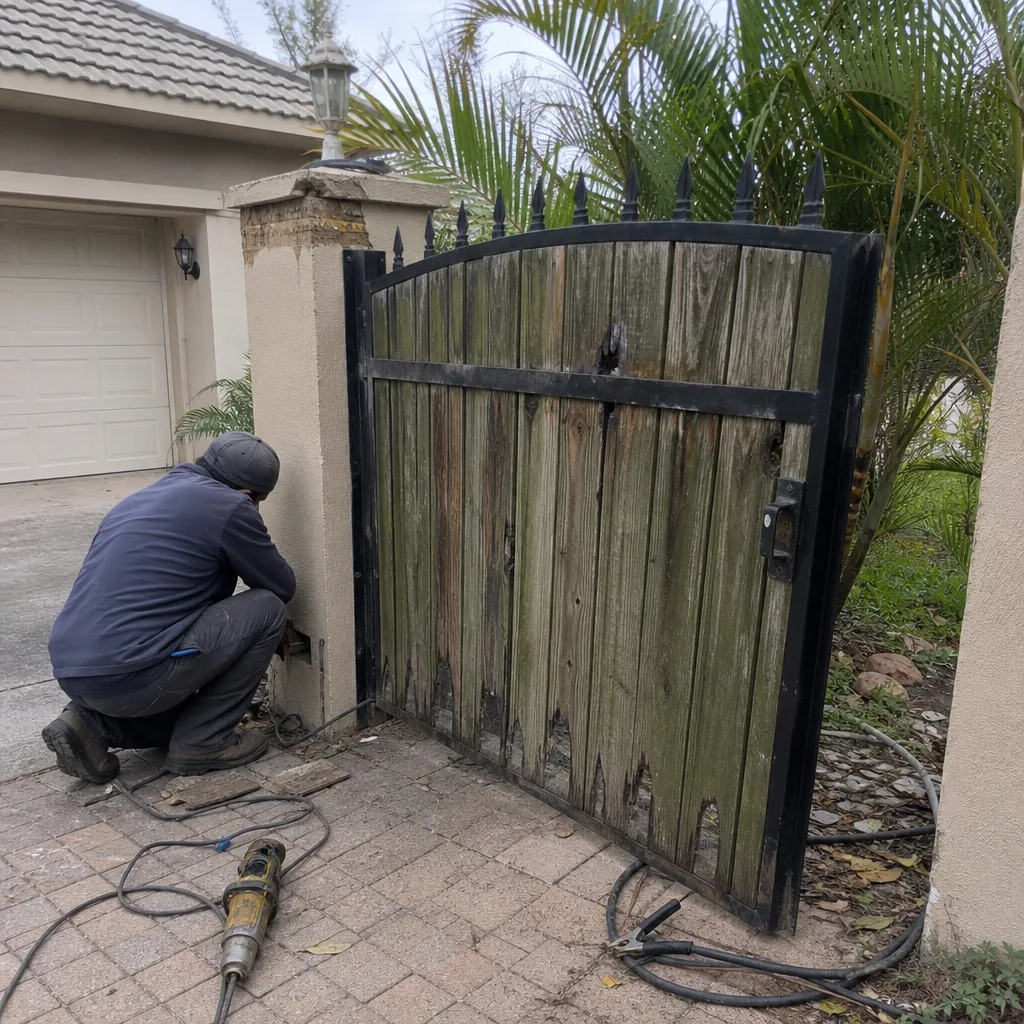 Before
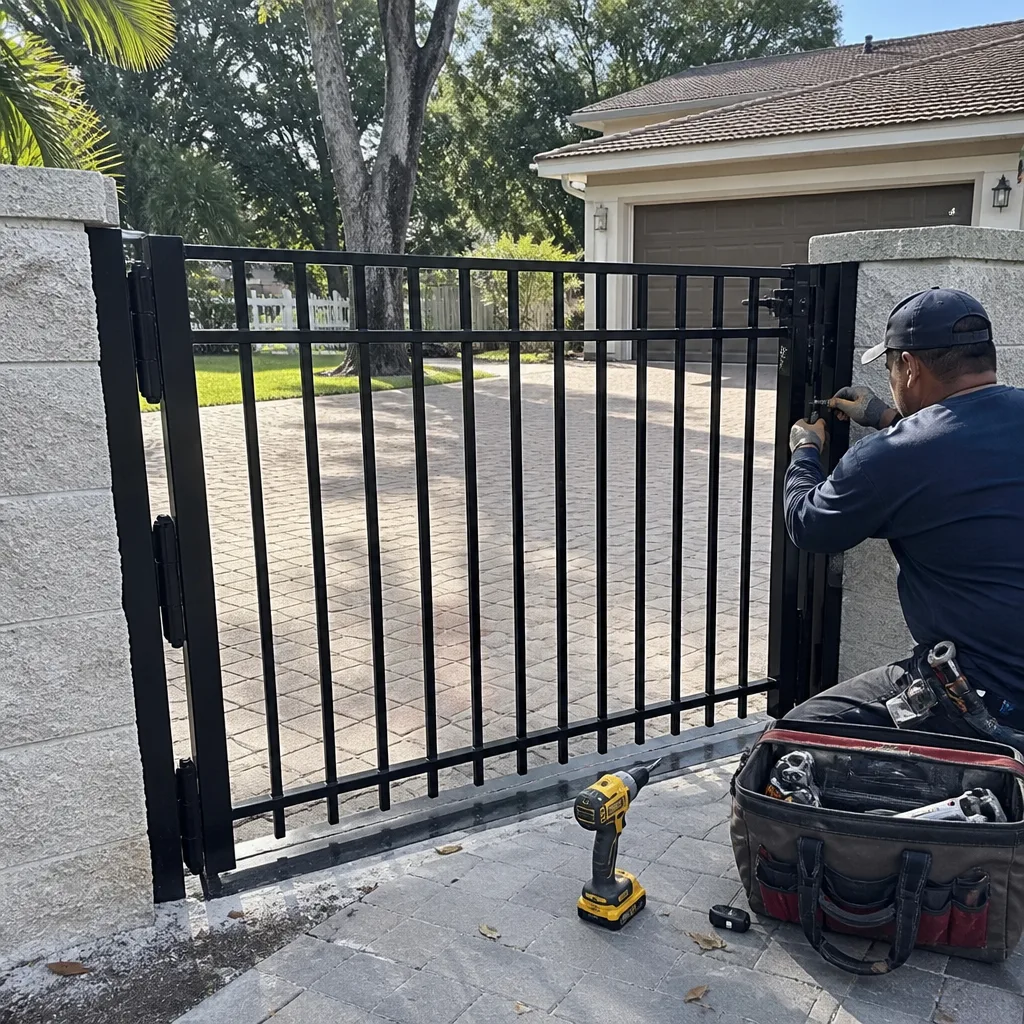
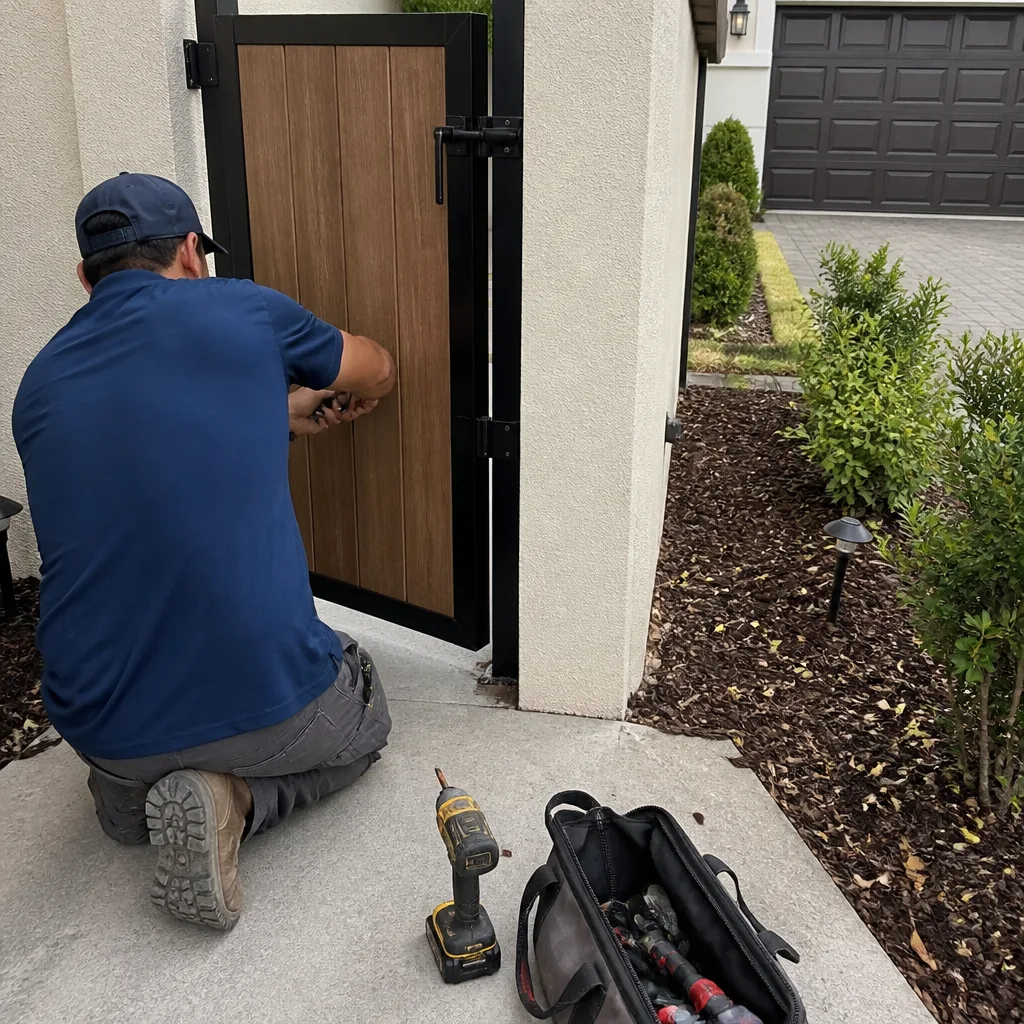 After
After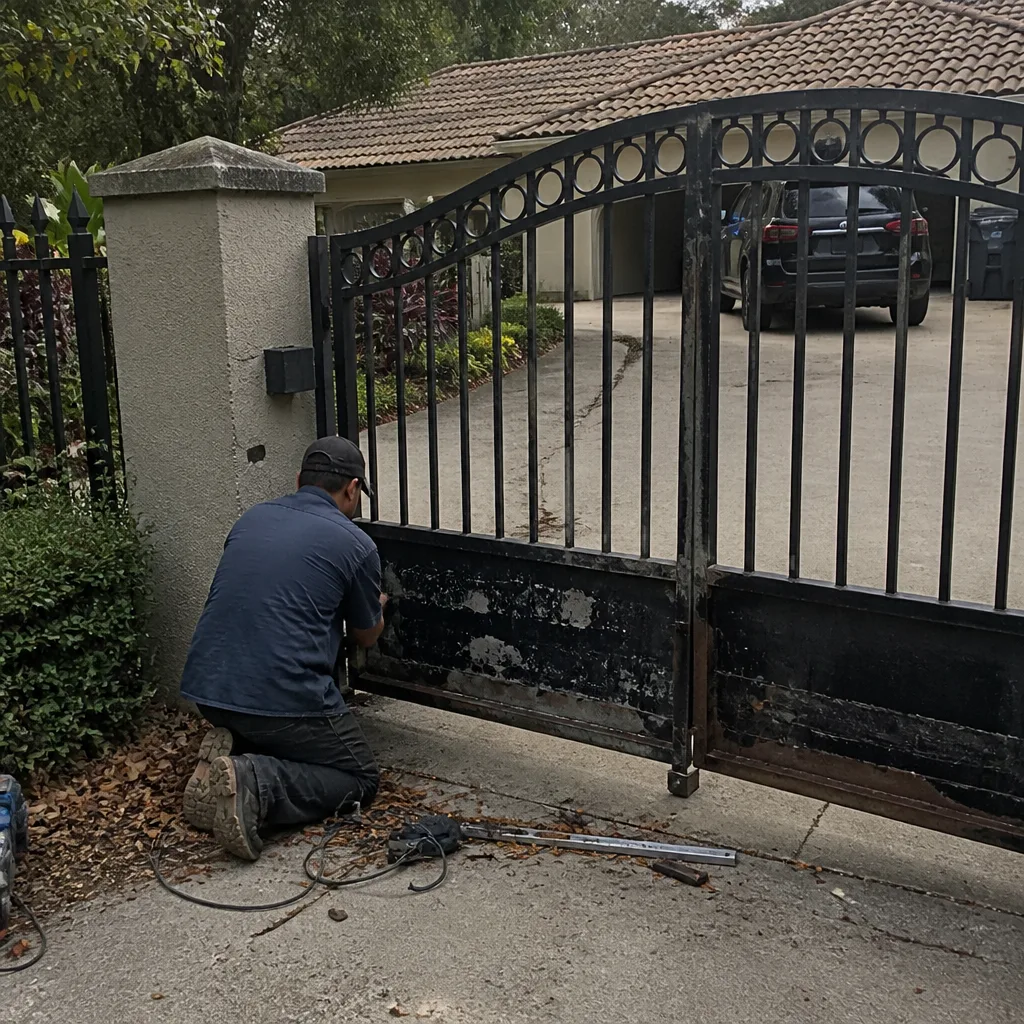 Before
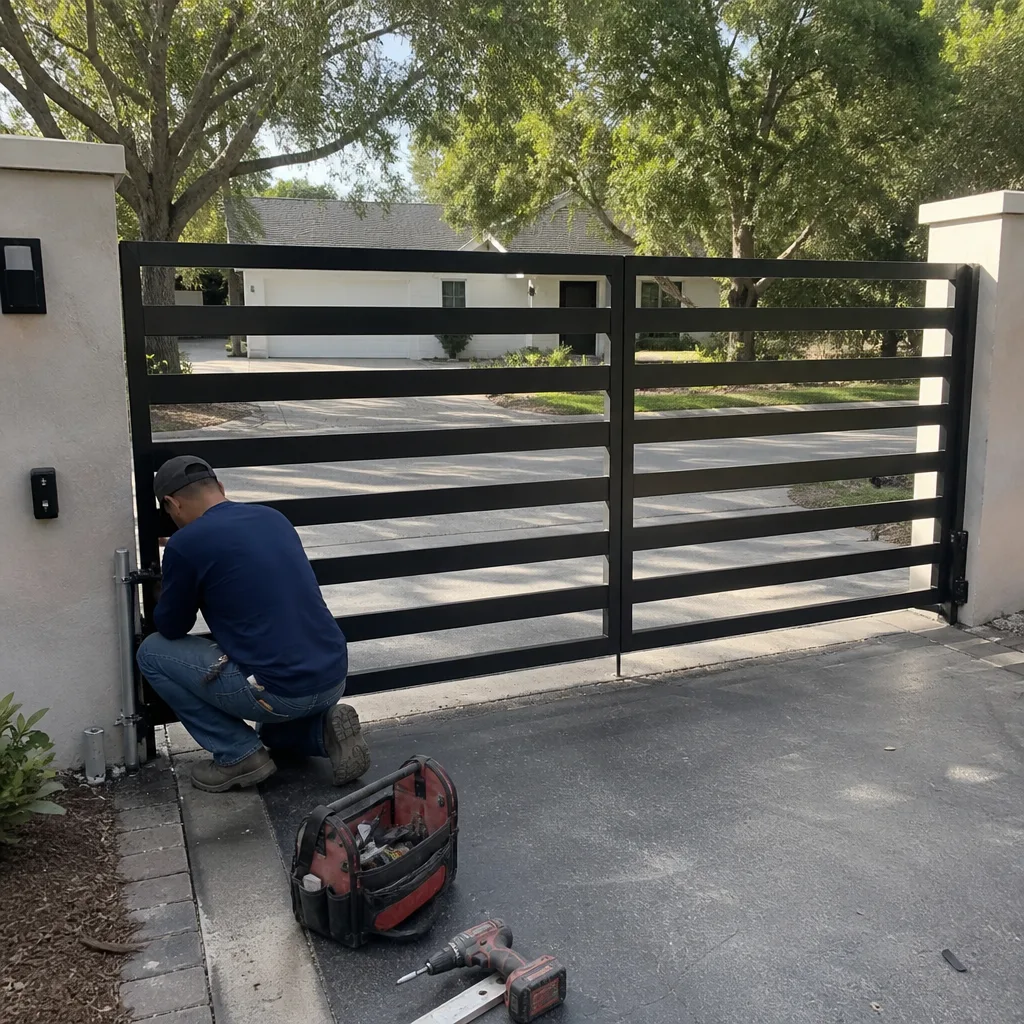 After
After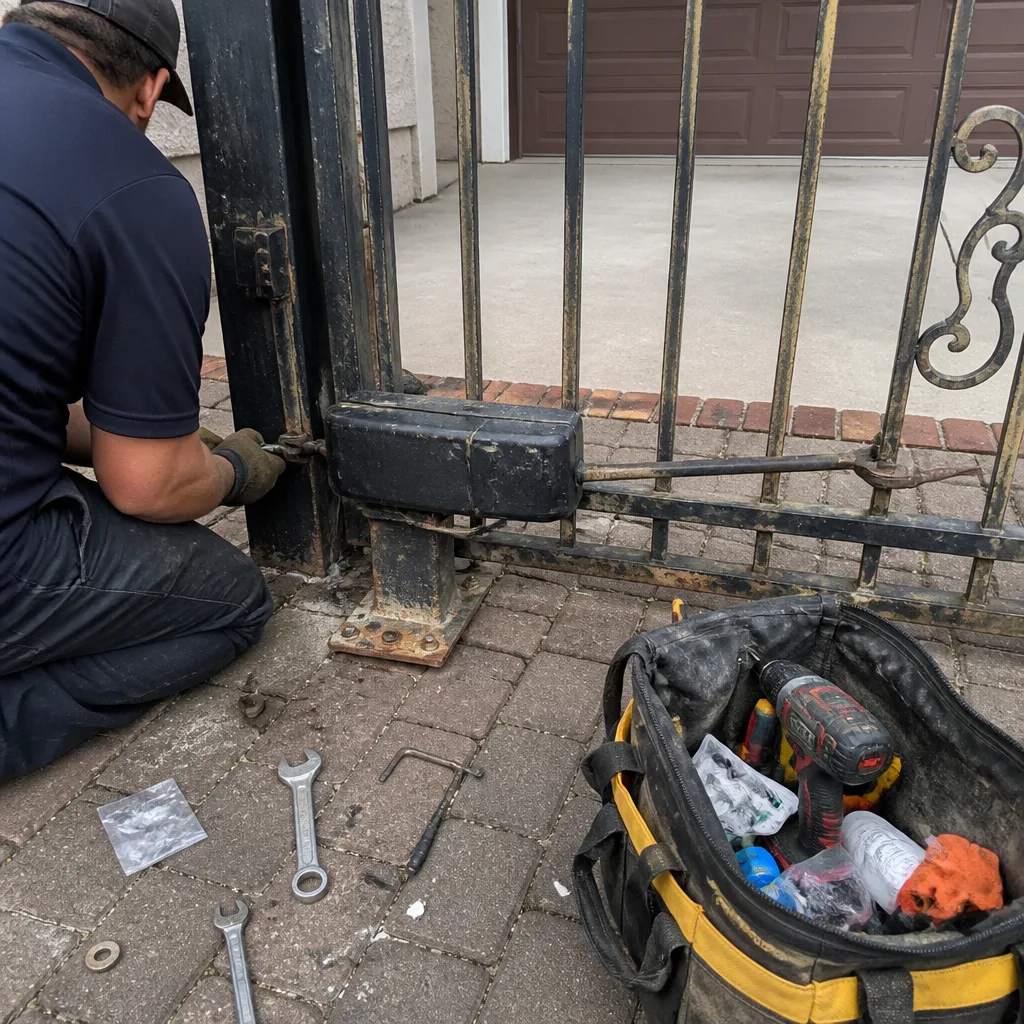 Before
 After
After