
Last updated October 16, 2026
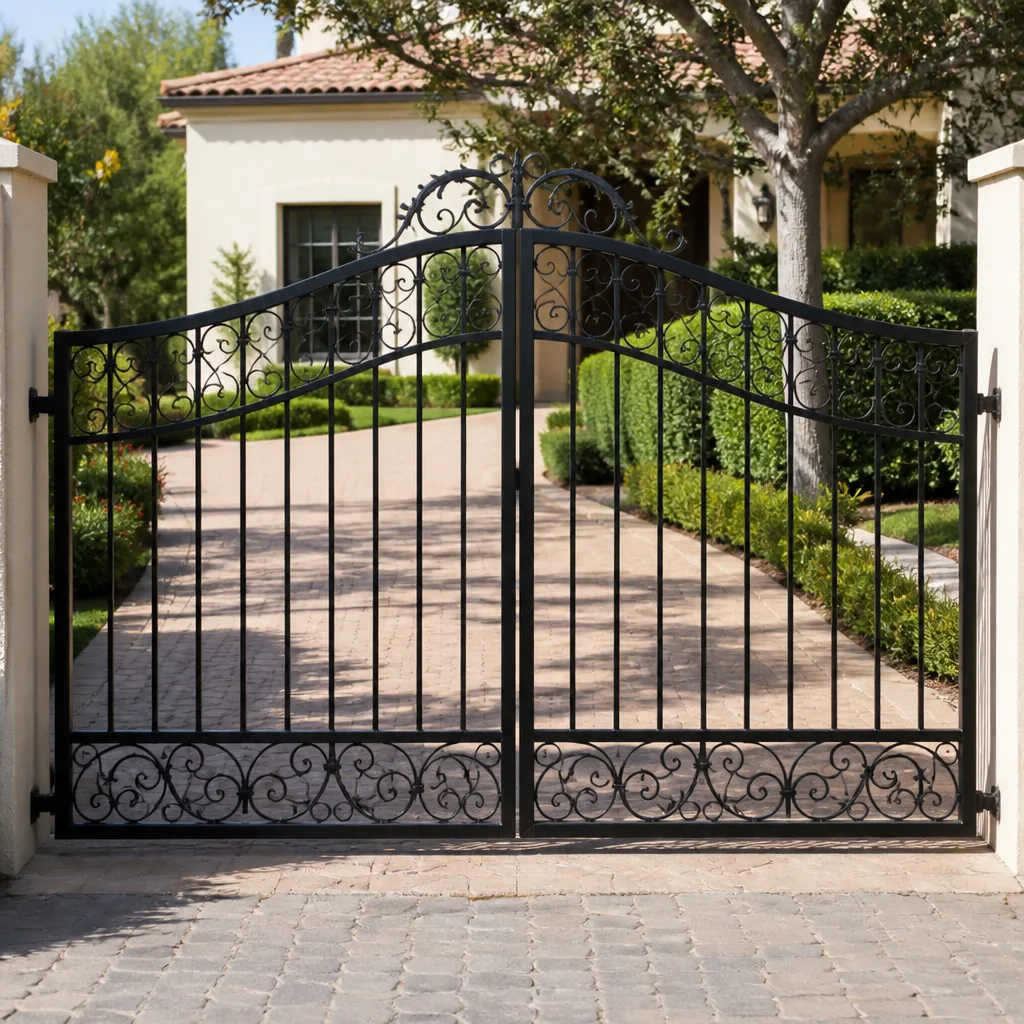 Wrought iron
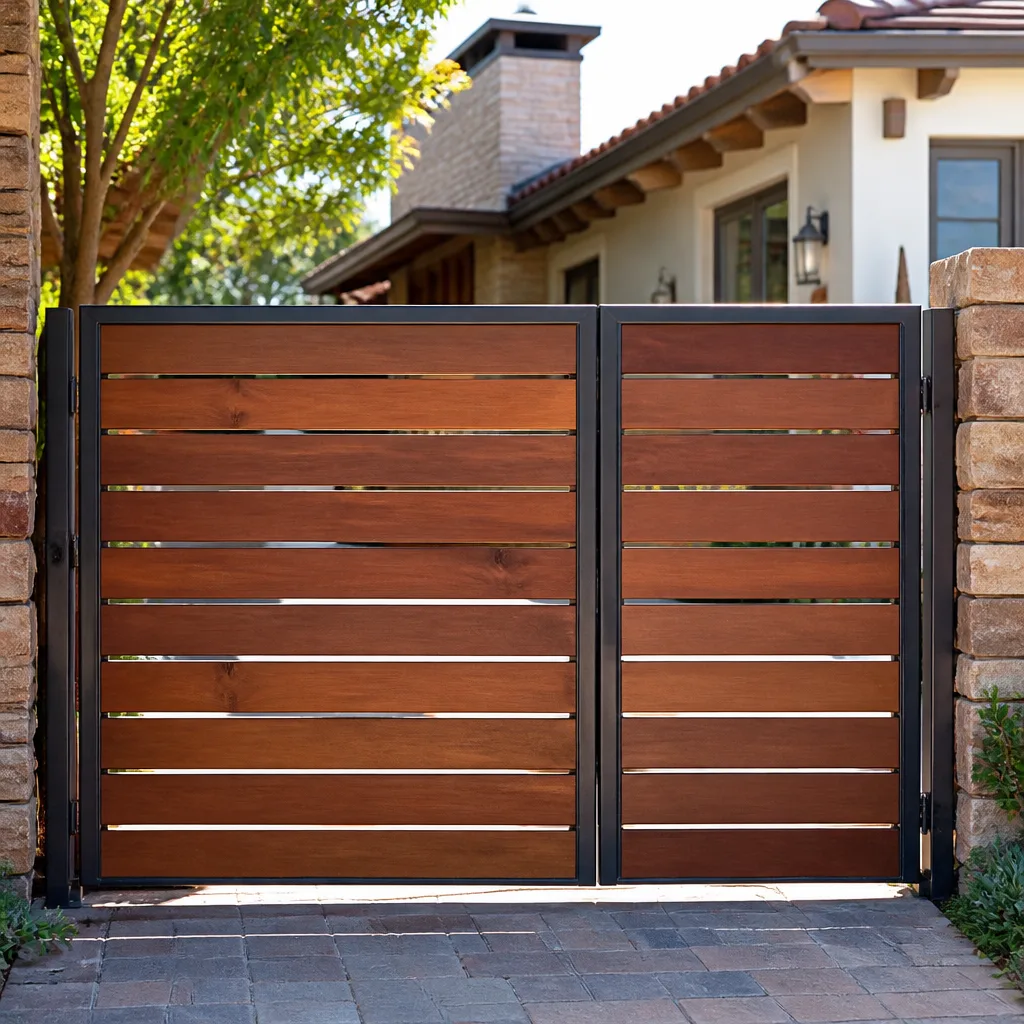 Wood & steel frame
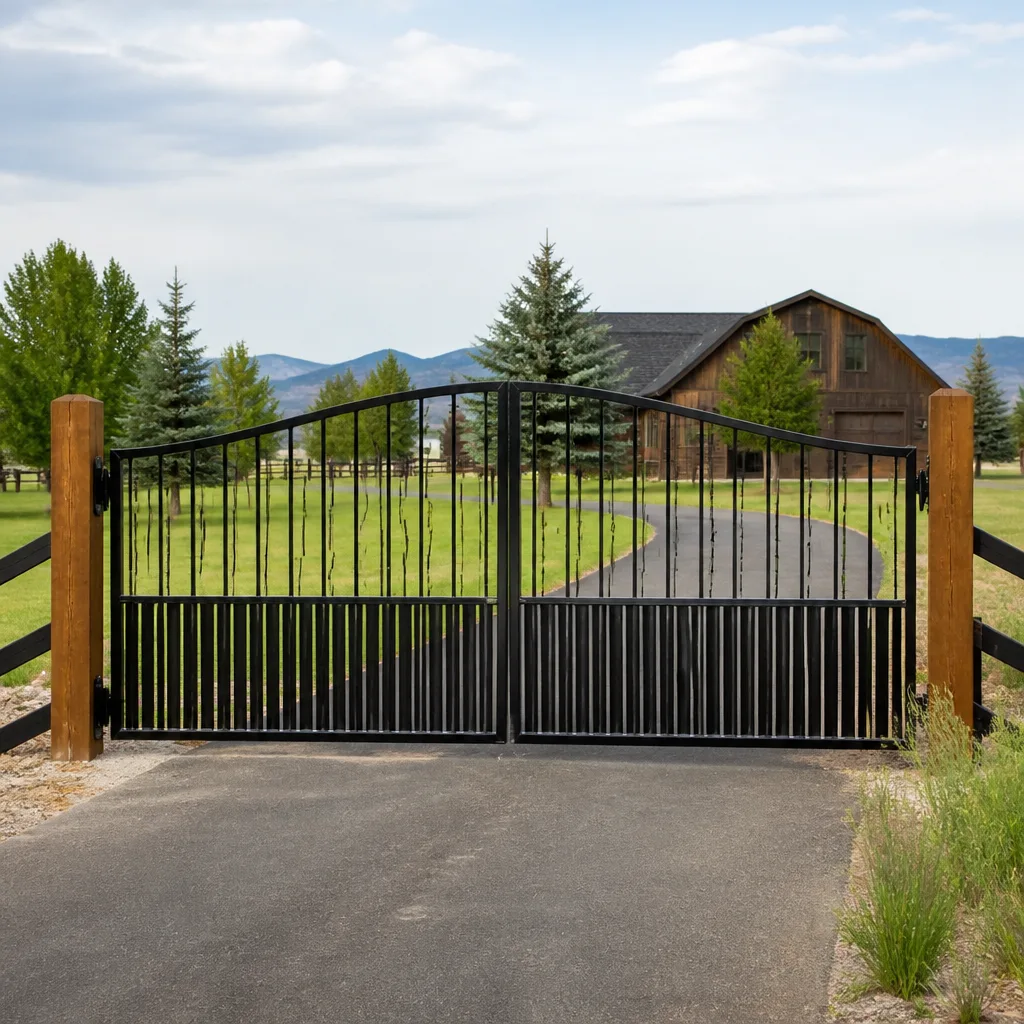 Farm & ranch
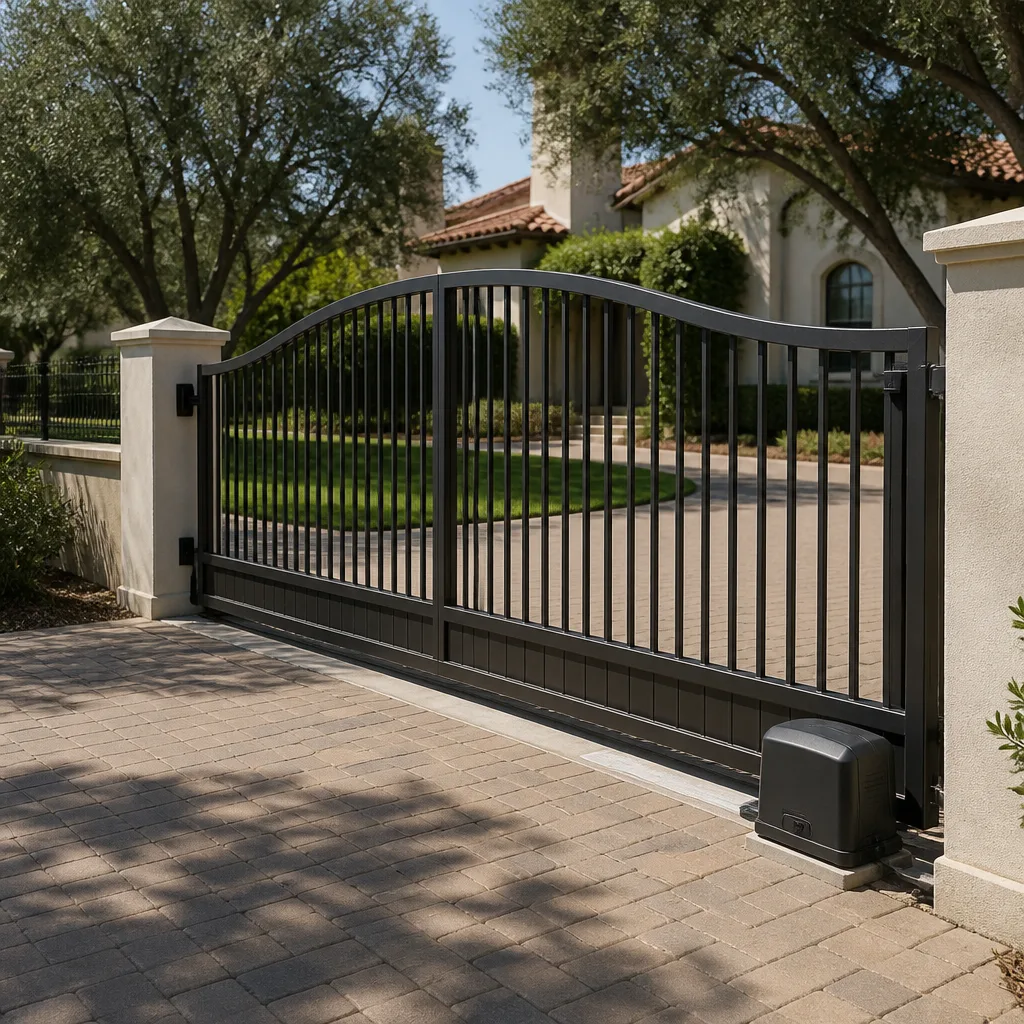 Sliding driveway gates
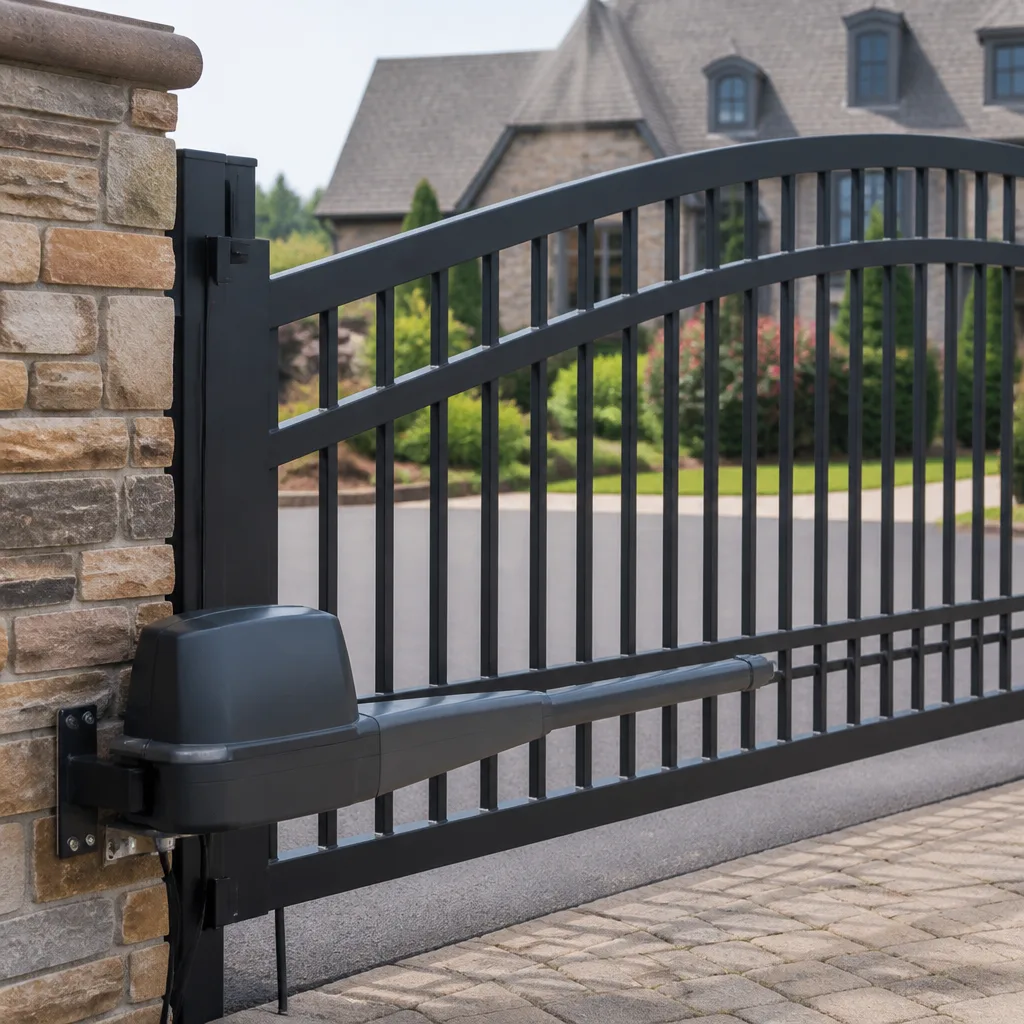 LiftMaster operators
Free on-site gate assessment - hinges, posts, and your LiftMaster or Nice gate operator checked before anything is quoted
The assessment is free and the quote is the invoice.
Get your free estimateGate Repair Warning Signs: A Orlando Homeowner’s Reference Guide
Most Orlando homeowners don’t think about their gate until the morning it refuses to open. That’s the problem. A gate that takes four seconds longer to open than it did six months ago isn’t getting “broken in.” It’s telling you the motor is working roughly 40% harder than it should, which in our experience means you have weeks, not months, before it stops completely. This reference guide walks through the warning signs we see most often in Orlando, from the subtle ones homeowners normalize to the three that mean you should stop using the gate today. For more detail on what comes next, see our guide on How to Hire a Gate Repair Contractor in Orlando: A Step-by-Step Guide. By the end, you’ll know what to listen for, what to look at, and when a call is cheaper than a crisis.
Quick Answer
The earliest gate repair warning signs in Orlando are a slower open/close time, any new sound (grinding, clicking, humming that wasn’t there before), and visual changes like sagging or rust blooms at weld points. If your gate trips a breaker after afternoon thunderstorms or works intermittently on humid mornings, the control board or a connection is failing. A gate that reverses mid-travel, sparks at the motor, or smells hot should be switched off and treated as an emergency today.
Styles & brands we work with
Table of Contents
- The Timing Test: Your Gate’s First Warning System
- Sound Diagnosis by Gate Type: Slide vs. Swing
- Visual Warning Signs Homeowners Overlook
- Electrical Warning Signs Specific to Florida
- Three Signs That Mean Stop Using the Gate Immediately
- Why Gates Fail in Orlando: Climate and Wear Patterns
- Common Mistakes to Avoid
- When to Call a Professional
- Frequently Asked Questions
The Timing Test: Your Gate’s First Warning System
A slowing gate is the most consistently ignored warning sign in Orlando because the change happens gradually. Six months is a long time. By the time a gate takes twice as long to open, the homeowner has forgotten what “normal” felt like. Here’s the fix: establish a baseline today so you have a reference point when something changes.
Grab your phone, open the stopwatch app, and time your gate from full closed to full open. Do it three times and average the results. A typical residential swing gate in Orlando opens in 14 to 22 seconds. A slide gate generally runs 15 to 25 seconds depending on length. Write that number down somewhere you’ll actually find it, like a note on your phone or a piece of tape inside the control box.
Then set yourself a reminder to re-time the gate once a quarter. What you’re looking for:
- 10-20% slower than baseline: Normal wear, maybe a bearing starting to dry out. Worth watching, not urgent.
- 20-35% slower: The motor is working measurably harder. In our experience, this is usually a hinge that’s binding, a track that’s collected debris, or a capacitor that’s losing its ability to hold a charge. Plan to have it looked at in the next few weeks.
- 35% or more slower: Something is actively failing. The motor is overheating every cycle. Every day you keep using it, the repair bill climbs. Call now.
Think of the timing test as your gate’s blood pressure reading. One slow cycle on a cold morning isn’t a diagnosis. A consistent slowdown across three measurements on a normal day is. And if your gate hesitates mid-travel before continuing, that’s often a limit switch problem, the small sensor that tells the gate when to stop. Intermittent hesitation is a switch failing. Full-travel slowdown is a motor or mechanical issue.
In Orlando’s humidity, we also see seasonal variation. Hydraulic gates run slightly slower in winter when the fluid is cold and thin. That’s normal. What’s not normal is a gate that keeps slowing month over month across seasons.
Sound Diagnosis by Gate Type: Slide vs. Swing
New sounds are never good news, but the specific sound tells you a lot about where the problem lives. Gates are loud machines by design. You already know your gate’s normal voice. What matters is the change.
Slide Gate Sounds
Slide gates roll along a track on wheels or ride on a cantilever system. When the sound changes, it’s almost always mechanical.
- Grinding or scraping: The gate wheels or track are the usual suspects. On Orlando properties with sandy soil, grit works its way into wheel bearings. Left alone, a grinding wheel bearing seizes, and then the gate drags that seized wheel across the track, chewing up both. Fixing the bearing early is inexpensive. Replacing a wheel and a section of track is not.
- Intermittent clicking that comes and goes: This is usually the control board relay cycling. A relay that clicks occasionally while the gate is idle can mean a phantom signal, often from a failing photo eye or an edge sensor. A relay that clicks rapidly and continuously while the gate isn’t moving is a stuck limit switch or a short.
- Continuous clicking while the gate isn’t moving: Stop running the gate and call a tech. The board is trying to do something and can’t. Every second it sits there cycling, it’s heating up.
Swing Gate Sounds
Swing gates pivot on hinges or run on an underground arm operator. The failure points are different, and so are the sounds.
- Squealing or high-pitched metallic rubbing: Hinge pins are binding. On a dual swing gate in Orlando, we often see one leaf opening noticeably before the other. That asymmetry is a hinge telling you it’s stiff. Lubrication only masks this if the pin is already scored.
- Low groaning from the operator box: The hydraulic fluid or gearbox is struggling. On hydraulic systems, low fluid or contaminated fluid causes exactly this groan. It sounds like a person straining to lift something too heavy. A gearbox with worn teeth makes a rhythmic clunk-clunk-clunk instead.
- Silence when the gate should click: You press the remote or punch the keypad and hear nothing at all. No click from the control box, no hum from the motor. That silence is a diagnostic clue: the board isn’t receiving the signal, or it received it and the relay isn’t closing. If the gate works from the other remote or keypad, the problem is the transmitter, not the board.
For homeowners with a Ghost Controls or Linear swing gate opener, the motor hums softly even at idle. If you notice the hum getting louder over a few weeks, that’s a capacitor degrading. The unit is pulling more current to start the motor, and the hum is that strain made audible. We’ve replaced more capacitors on Linear openers in Orlando than any other single part, because the summer heat plus daily cycling wears them down on roughly a five to seven year cycle.
What Grinding Means on Each Type
A slide gate grinding is usually wheels, track, or chain. A swing gate grinding is usually hinge pins, the arm joint, or the gearbox inside the operator. Same word, different failure, different repair. If you can take a short phone video of the sound and the gate moving, that footage is genuinely useful to a tech before they even arrive.
Visual Warning Signs Homeowners Overlook
You see your gate every day, which means you stop seeing it. Here are the visual clues that matter most in Orlando, where coastal humidity and the wet season put year-round stress on metal.
Rust Bloom Patterns
Not all rust is the same. A little surface rust on an unpainted chain is cosmetic and expected. What you’re looking for is rust at the seams: where a crossbar meets the vertical picket, where a hinge plate is welded to the post, where the operator arm attaches to the gate leaf. Rust blooming outward from a joint means water has gotten inside the joint and is working its way out. That’s structural. On a tube-steel gate in Orlando, water enters through the top of a picket during rain, sits inside the hollow section, and rusts from the inside out. By the time you see it on the outside, the wall thickness is already compromised. Tap the area gently with a wrench. If it sounds dull instead of ringing, the steel is thin.
Sagging and Hinge Failure vs. Post-Settling
A swing gate that sags usually means the hinges or the post are failing. Here’s the diagnostic that matters: look at the gap between the two gate leaves when the gate is closed. If the gap is wider at the top than at the bottom, the gate is sagging outward, which points to hinge wear or post movement. If the gate drags on the ground at the latch side, the leaf is dropping. But which is it, hinge or post?
- Sagging that changes with soil moisture: In Orlando, the water table rises during wet season. A post that wasn’t set deep enough or set in loose sandy soil will heave and shift as the ground saturates and dries. If the gate binds right after heavy rain and frees up after a week of dry weather, the post is moving. The fix is a new post footing, not new hinges.
- Sagging that’s constant and slowly worsening: The hinge pin and barrel are wearing. A hinge with visible oval wear around the pin hole has been loosening for a long time. Some gate repair in Orlando jobs we see are simply “replace the hinge before it rips out of the post,” which is a half-day fix compared to welding a new post mount or re-hanging the entire leaf.
Paint Bubbling on Hollow Sections
Paint that bubbles, blisters, or peels in a contained area on a galvanized or painted gate is water trapped inside the hollow section. The sun heats the metal, the trapped moisture vaporizes, and the vapor pushes the paint film outward from the inside. On a gate that’s otherwise in good shape, a single paint blister down low near a weld is an early tell. It means the section isn’t sealed and water has a path in. That water is doing more than lifting paint; it’s rusting the interior where you can’t see. If you catch it early, draining the section, treating it, and sealing the joint is a reasonable preventive repair. Ignore it and that section becomes a sponge in every afternoon thunderstorm.
Orlando’s wet season runs roughly May through October, and the daily rain cycle is relentless. A gate that takes on water in June will be structurally weakened by September. If you only inspect your gate once a year, do it in November, after the rain cycle ends. That’s when water damage shows itself most clearly.
Electrical Warning Signs Specific to Florida
Florida is the lightning capital of the United States, and Central Florida gets more than its share. Orlando averages roughly 80 thunderstorm days per year. Every one of those storms is a potential surge event for a gate opener, and the damage pattern is predictable.
The Afternoon Storm Pattern
Here’s the scenario we hear constantly: homeowner has a BFT or Viking opener that’s worked fine for years. An afternoon thunderstorm rolls through while the gate control board is powered but idle. The next morning, the gate trips its breaker the first time it runs. It resets, works for a few hours, then trips again. This is surge damage, and it is progressive.
A lightning strike doesn’t have to hit your property. A strike on the utility lines a mile away sends a voltage spike through your panel. The gate’s control board takes the first hit because it’s typically the least-protected circuit in the panel. The first surge weakens a component on the board. The second and third surges finish it off. What looks like a random breaker trip after a storm is actually a board that’s in the process of dying.
The fix is typically a new control board plus a surge protector installed on the gate circuit. If the breaker trips only after storms, the board may still be salvageable if you stop running the gate and get it assessed quickly. Every cycle on a damaged board is another roll of the dice.
Intermittent Operation on Humid Mornings
Orlando mornings in summer are wet. Condensation forms on every cool surface. If your gate opener works fine at noon but refuses to respond at 7am on a humid morning, the usual cause is moisture inside the control box or a failing connection that the humidity has pushed over the edge.
Control boxes breathe. As they heat and cool, they pull moist air in. In a properly sealed box, the board stays dry. In a box with a degraded gasket or a cracked housing, the board is sitting in a micro-climate of humid air every single morning. Moisture on a circuit board creates resistance. Resistance creates erratic behavior. The classic symptom is a gate that opens fine, closes a few feet, reverses, and then works normally later in the day once the sun burns the condensation off.
If this sounds familiar, don’t wait for the gate to fail completely. The moisture that causes intermittent operation is also causing corrosion on the board. At some point the corrosion wins and the board goes from unreliable to dead. The transition can be sudden.
For electric gate repair in Orlando, we also check one more Florida-specific item: ants. Fire ants and ghost ants love the warmth inside gate control boxes, especially after heavy rain floods their nests. A colony inside the box bridging two terminals can cause short circuits and phantom operation. If you open the control box and see ants, that’s a real problem, not a nuisance.
Three Signs That Mean Stop Using the Gate Immediately
Most warning signs give you weeks. These three do not. If you see or hear any of the following, switch the gate to manual (if you know how) or turn off the breaker, and call a professional today.
- The gate reverses mid-travel every time. A gate that starts, moves a foot or two, and reverses is telling you its safety system is triggering. That could be a misaligned photo eye, a failing edge sensor, or a board that’s misreading the signal. It is not safe to keep overriding this. The one time the safety system triggers correctly and saves a child or a pet, you want it working. The one time it’s false-triggering, the force is uncontrolled. Either way, continuing to run the gate by holding the remote button or bypassing the sensor is rolling dice with a piece of machinery that can crush a person.
- Sparks, smoke, or a burning smell from the motor or control box. We shouldn’t have to say this, but we do: an electric motor that smells hot is hot. A control board that smokes is already on fire. Cut the power at the breaker and leave it off. This is not a “keep an eye on it” situation. It’s an electrical failure in progress.
- The gate drops or slams closed instead of closing under power. A slide gate that freefalls or a swing gate that swings free of its operator means a mechanical connection has broken or the operator’s brake has failed. A gate that can freefall is a hazard to anything in its path, including the cars in your driveway and the people walking through.
What it costs to ignore these: a reversing gate that’s a misaligned photo eye might be a $185 service call. The same gate, after three weeks of bypassing the safety system and forcing it through the cycle, has often damaged the arm, the gearbox, and the board. Now you’re looking at $1,000 or more. The math has never changed since we started doing gate opener repair in Orlando: early intervention is a fraction of the cost of failure.
Why Gates Fail in Orlando: Climate and Wear Patterns
Orlando is uniquely hard on gates. It’s not just the humidity and the storms. It’s the combination of heat, moisture, sandy soil, and daily use cycles that adds up to a predictable wear schedule. Here’s what we see across the city, from Dr. Phillips to Winter Park to Lake Nona.
The Heat Factor
Capacitors are the first casualty of heat. A capacitor is essentially a temporary battery that gives the motor its starting jolt. In a sealed control box sitting in direct Florida sun, interior temperatures can exceed 130°F on a summer afternoon. Capacitors are rated for a maximum operating temperature, and every hour spent above that rating shortens the lifespan. A capacitor that’s failing shows up as a gate that hums but doesn’t move on the first try, then works on the second or third. If you find yourself pressing the button twice every morning, that’s often not a remote issue. It’s the capacitor begging for retirement.
Sand and Grit
Orlando sits on sandy soil, especially on the west side of the city and anywhere near former grove land. That sand is abrasive. On slide gates, the wheel assemblies are the first thing sand destroys. On swing gates, sand works into hinge barrels and arm joints. The wear is slow, but it is not self-correcting. A hinge full of sand doesn’t clean itself. It grinds every cycle, enlarging the wear surfaces until the play is measurable and the gate starts to sag.
Daily Cycling
A gate that opens and closes ten times a day in Orlando is doing 3,650 cycles a year. The manufacturers we work with, including Ghost Controls and Viking, publish rated cycle life for their operators. A residential operator with a 50,000-cycle lifespan sounds like it should last over a decade, and mechanically it might. Electrically, the board components age based on heat and humidity cycles, not just open-close cycles. An eight year old Ghost Controls opener in Orlando is typically not failed because the motor wore out. It’s failed because the board gave up. Understanding this matters because it changes the repair math: on an aging operator with a failing board, replacing the board extends the life of the motor, and the whole repair is still a fraction of replacing the operator.
Common Mistakes to Avoid
- Lubricating everything with WD-40. WD-40 is a water displacer, not a lubricant. It strips existing grease and then evaporates, leaving metal surfaces drier than before. Use a proper lithium-based grease on metal-on-metal parts. If you’re not sure, ask. Spraying the wrong product into a gearbox or an arm joint is worse than doing nothing.
- Ignoring a gate that’s 10% slower. Every gradual failure started as a small slowdown. The homeowner who investigates a 10% slowdown spends $150 on a hinge. The homeowner who ignores it until the gate won’t open is buying a motor. Same gate, different decision point.
- Bypassing a reversing gate. The safety system is the last line of defense against a serious crush injury. Bypassing it to get the car out one more time is a habit, and habits have consequences with equipment this heavy.
- Assuming any rust means “replace the whole gate.” Surface rust on thick-wall steel is routinely repairable. A good welder can cut out a bad section and weld in new. Writing off an entire gate over a rusty patch is the most expensive false assumption in this business.
- Waiting until the gate fails to research repair options. The tech you call at 7am on a Monday when the gate won’t open is the first number you found. That’s not a strategy. Having a gate repair company you already trust, with a price you already know is fair, is the difference between a planned repair and a panic call.
- Not knowing where the manual release is. Almost every gate has a manual release mechanism, usually a keyed lock or a pull lever somewhere near the operator. If the power goes out or the gate fails, knowing where this is and having the key somewhere accessible means you can still get your car out. We meet Orlando homeowners every week who’ve lived behind a gate for years and never once used the manual release. Find yours today.
When to Call a Professional
Call when you notice the pattern changing, and right now if you see sparks, smell burning, hear grinding, or see a visual sag that wasn’t there three months ago. It is not worth your driveway to diagnose a motor problem by yourself. Gates are heavy. Springs, chains, and operators are dangerous when handled wrong. Calder Gate Repair Orlando offers Gate Repair services with free estimates in Orlando, and we’ll give you a written price before any work starts. Call (850) 338-6230, and a live person answers. You’ll know the number to the penny before we turn a bolt.
Frequently Asked Questions
Most gate repairs in Orlando run between $185 and $485 before parts, depending on what’s broken. A hinge replacement, limit switch replacement, or capacitor swap is on the lower end. A control board replacement is typically $350 to $800 depending on the brand. A full operator replacement can run $900 to $2,500 installed. Every job with Calder Gate Repair Orlando comes with a written price before work starts, so you’ll never hear a number for the first time on the invoice. Call (850) 338-6230 for an exact quote, and estimates are free.
The first signs are a slower open/close time, a new sound (especially grinding or persistent clicking), and intermittent operation on humid mornings. Any of these three, alone or together, means the opener is working harder than it was designed to. In Florida’s climate, heat and moisture are the primary killers of gate opener components, so a five to seven year old opener showing these signs is usually at end of life on one or more parts.
Calder Gate Repair Orlando answers calls 24 hours a day, 7 days a week with a live person, and we schedule same-day service when the gate is unmanageable or unsafe. If the gate is still operating, we’ll work around your schedule and give you a trackable arrival time so you’re not waiting on a four-hour window.
Yes. Our technicians are factory-familiar with Ghost Controls openers, along with Linear, BFT, Viking, and several other major brands. Ghost Controls openers are common on Orlando residential gates, and the most frequent issue we see on them is a failing capacitor or a control board that’s taken heat damage. We stock common parts for the brands we service, which often means a single-visit repair.
The 365-Day Done Right Promise covers the repair we did. If the repair fails within 365 days, Calder Gate Repair Orlando returns at no charge to fix it. You get that guarantee in writing on every job, and there’s no fine print about what counts. If it’s the same repair and it failed, we come back free.
A sagging gate gets heavier on its hinges every day. The hinge that’s carrying the whole weight is now doing the work of two, and the wear accelerates. If the gate is dragging on the ground or the gap between the leaves is uneven, stop using it and have it assessed. A sagging gate can fail suddenly, and a sudden failure on a 300 to 600 pound gate leaf is a serious hazard.
The Bottom Line
Your gate has been telling you something for weeks. The slowdown at 7am. The click that wasn’t there before. The rust bloom at the weld. The breaker that trips after storms. None of these are quirks. They’re warnings, and they follow a predictable progression, from gradual slowdown to intermittent failure to that Monday morning when the gate simply will not move. In Orlando, heat and humidity accelerate every one of these failures, which means the window between “weird noise” and “dead gate” is shorter here than anywhere else in the country. The best time to establish your gate’s baseline timing is today. The best time to call a professional is the day you notice the change. Explore more guides & resources on gate maintenance and repair. For a free estimate in Orlando, call (850) 338-6230. A live person answers, every time, any hour. You’ll get a written price before anything starts, a written guarantee on the repair, and a free second visit if it fails within 365 days. That’s the whole deal, in writing.
Written by Nico Alvarez, Owner at Calder Gate Repair Orlando, serving Orlando since 2009.
See the difference
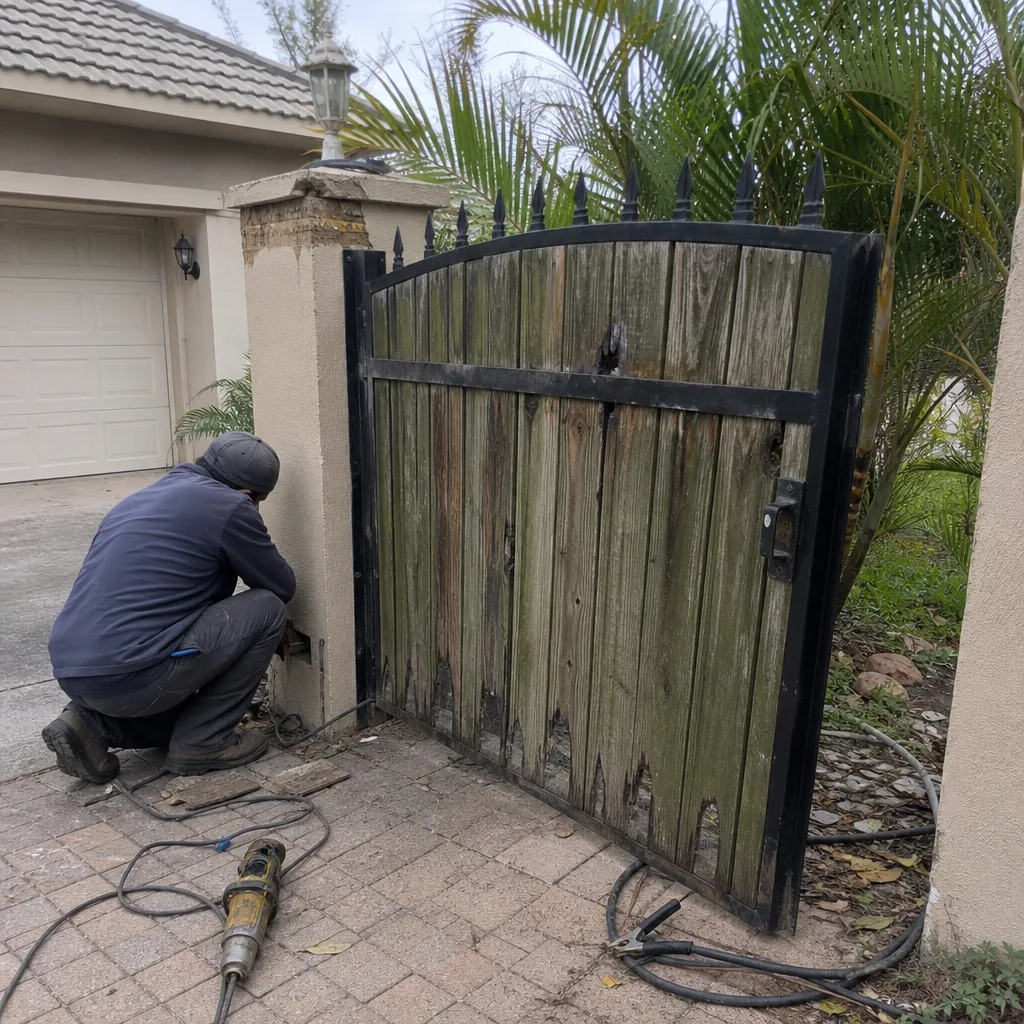 Before
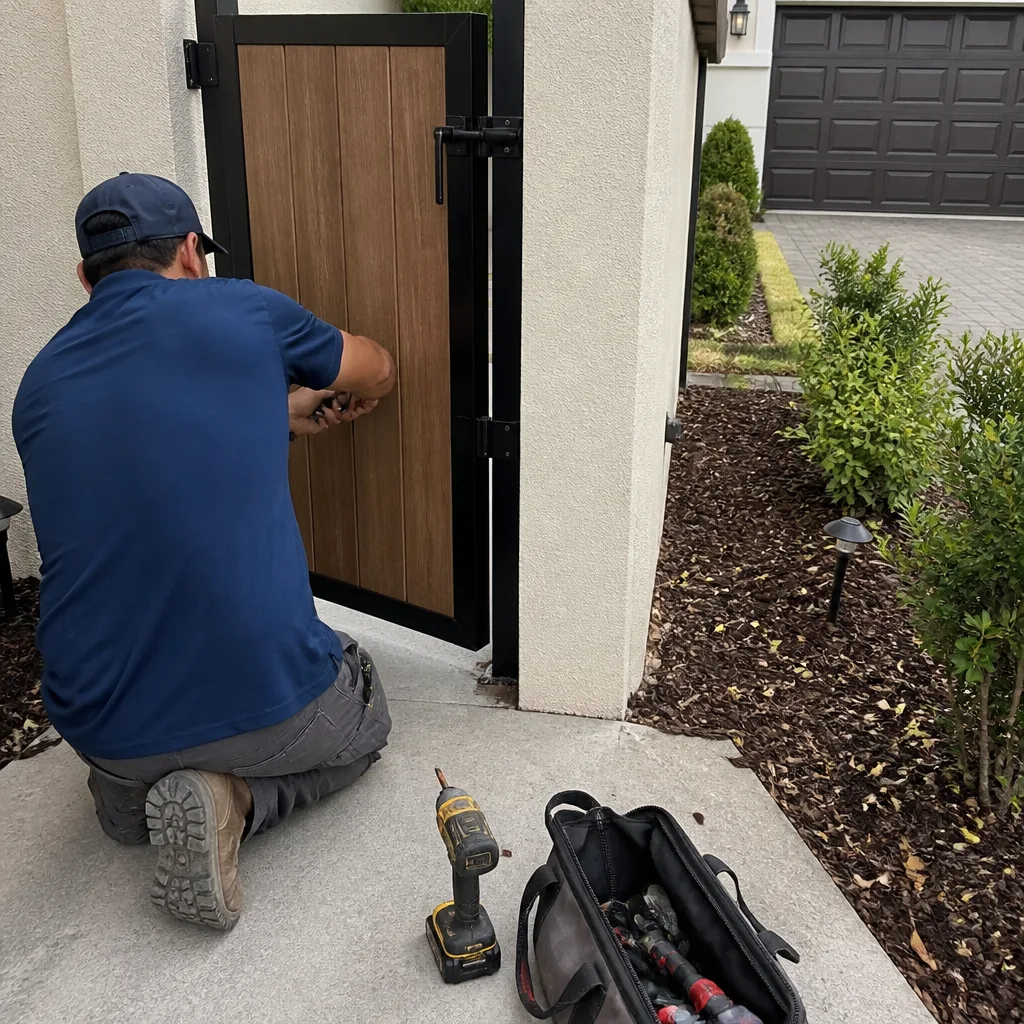 After
After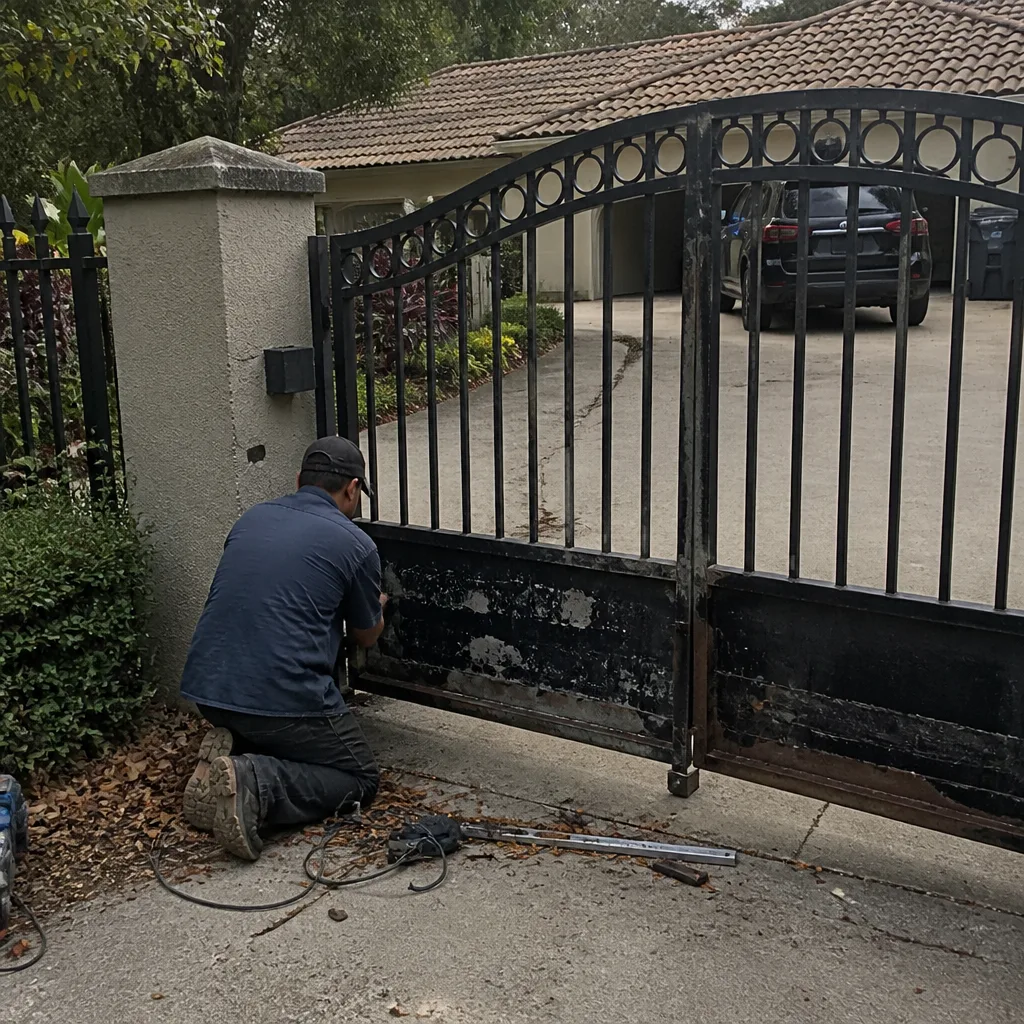 Before
 After
After Before
 After
After